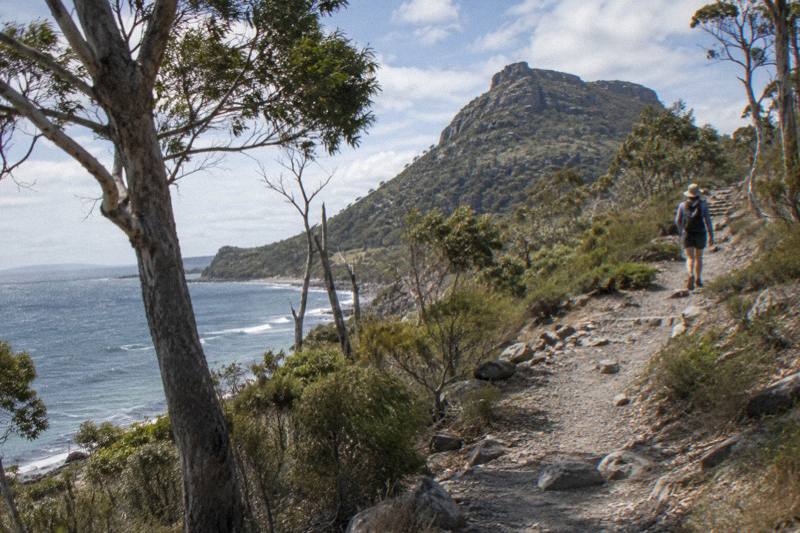
Maria Island Wombats: Where To See Them On A Day Walk Or Wildlife Tour
Maria Island carries one of the densest and easiest wildlife watching opportunities in Tasmania, and wombats are the reason many visitors book the ferry at all. Here is what Parks and the operators actually say, which walks pass through the best habitat, and how a guided day trip changes the odds.
Short answer
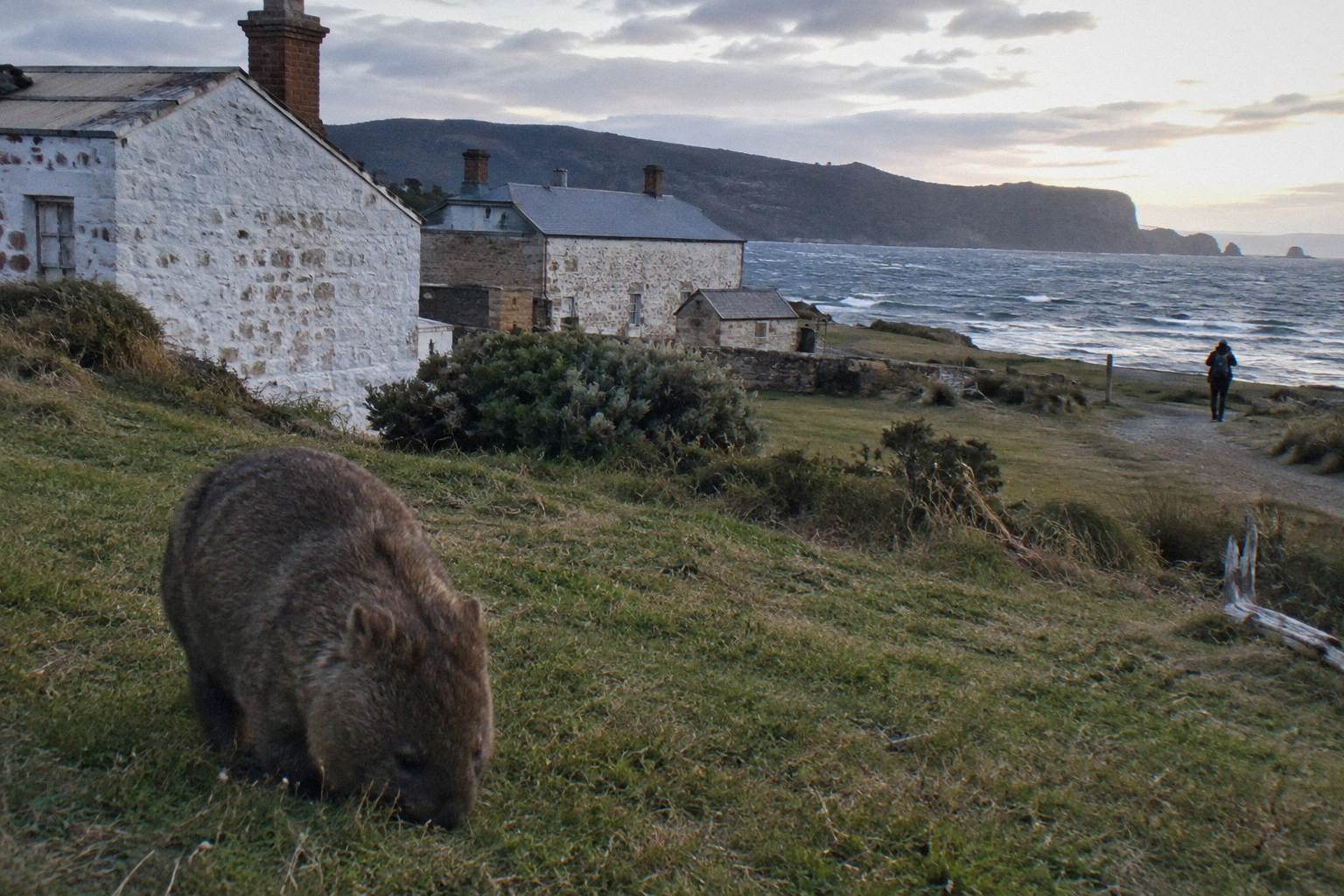
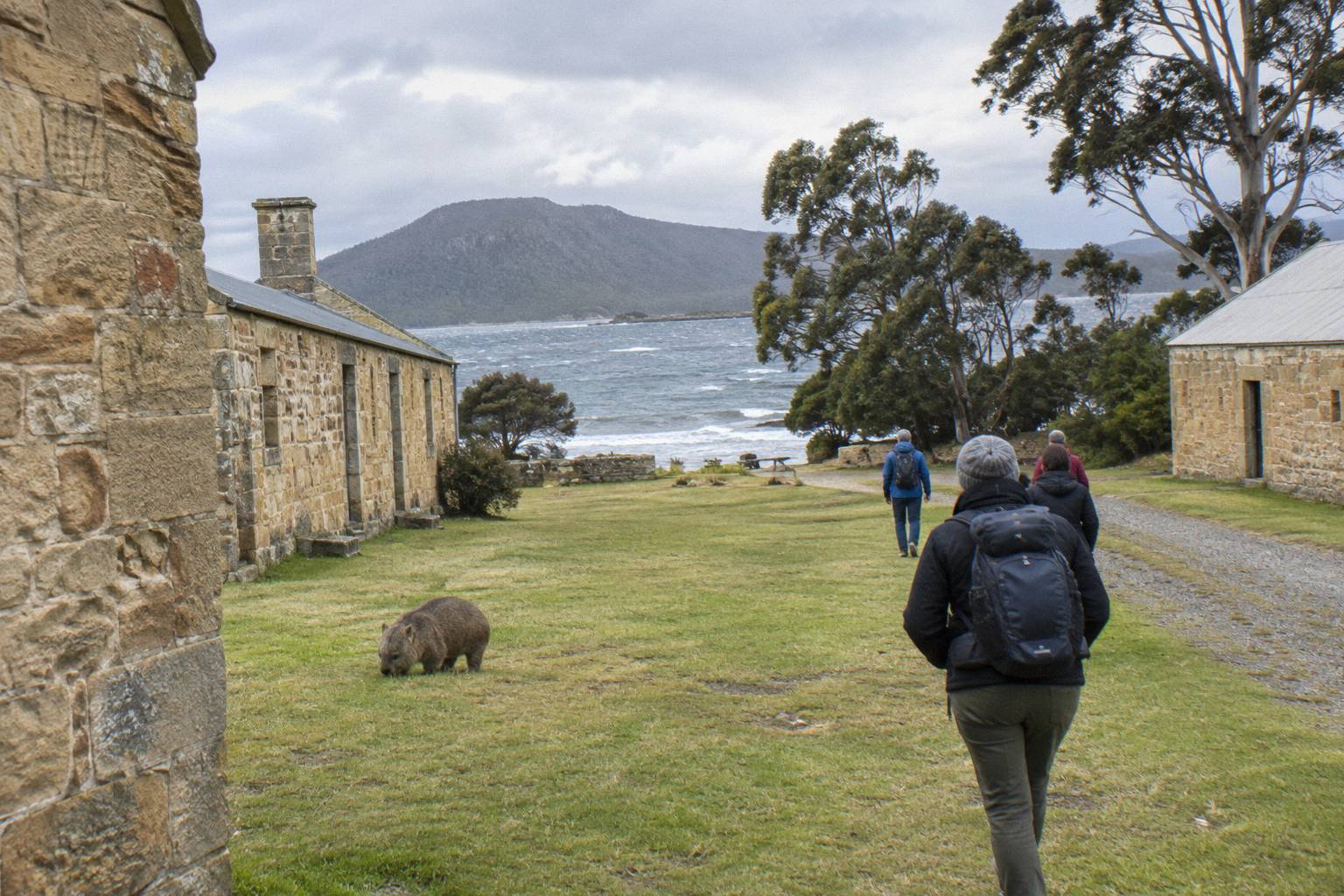
Flinders Island wombats are listed by Parks among the island's residents and are commonly seen around Darlington, though no sighting is ever guaranteed. The Darlington Township Walk, Fossil Cliffs and Reservoir Circuit all pass through wildlife country. A guided day trip such as the Active Day Tour From Hobart covers about 10 km with a leader who knows where animals feed.
Maria Island was declared a national park in 1971, and with no vehicles allowed it has become one of the places Tasmanian wildlife behaves most like wildlife: unfenced, unhurried and close to the paths people already walk. The wombats are the headline act for a lot of visitors, but Parks lists a much longer cast, from forester kangaroos and Bennett's wallabies to a bird list that includes 11 of Tasmania's 12 endemic species. All money figures on the site are Australian dollars.
The island is 115.5 km2 and about 20 km long, with its highest point, Mount Maria, at 711 m. Nobody drives on it. You arrive by ferry or by a tour boat, you walk or ride, and the animals share the same cleared ground around Darlington that the convicts cleared almost two centuries ago. That overlap, grassland next to ruins next to sheltered coastline, is why a single day can feel unusually full of animals.
One caution belongs at the top. Nothing on the island is promised. Wombats are common but never guaranteed, the Tasmanian devils are a small insurance population introduced in 2012, and every operator states plainly that sightings vary daily. What you can plan is habitat, route and time on the ground, and that is what the rest of this guide does.
Where Wombats Fit Among The Wildlife On Maria Island
Flinders Island wombats are one of the species Parks explicitly lists for Maria Island, alongside pademelons, forester kangaroos, Bennett's wallabies, Cape Barren geese and Tasmanian native hens. They are commonly seen but never guaranteed, and Parks asks every visitor to keep 2 m from all wildlife and never to feed it. That single rule shapes the whole day more than any route choice does.
The wombats here are the Flinders Island subspecies, introduced to the island as part of a wider conservation effort. They graze on grass, which is why the open ground around the Darlington settlement, the old airstrip area and the coastal strips behind the dunes is where people most often find them. Because the island has no cars and no domestic dogs, the animals are active in daylight in a way mainland wombats mostly are not.
What makes the experience distinctive is the setting. The same paddock that holds wombats at dusk also holds kangaroos and wallabies, and the bird list runs to 11 of Tasmania's 12 endemic species, including the forty-spotted pardalote, which Parks singles out as a resident of the white gum woodland. The Reservoir Circuit is noted as a good place for the pardalote specifically.
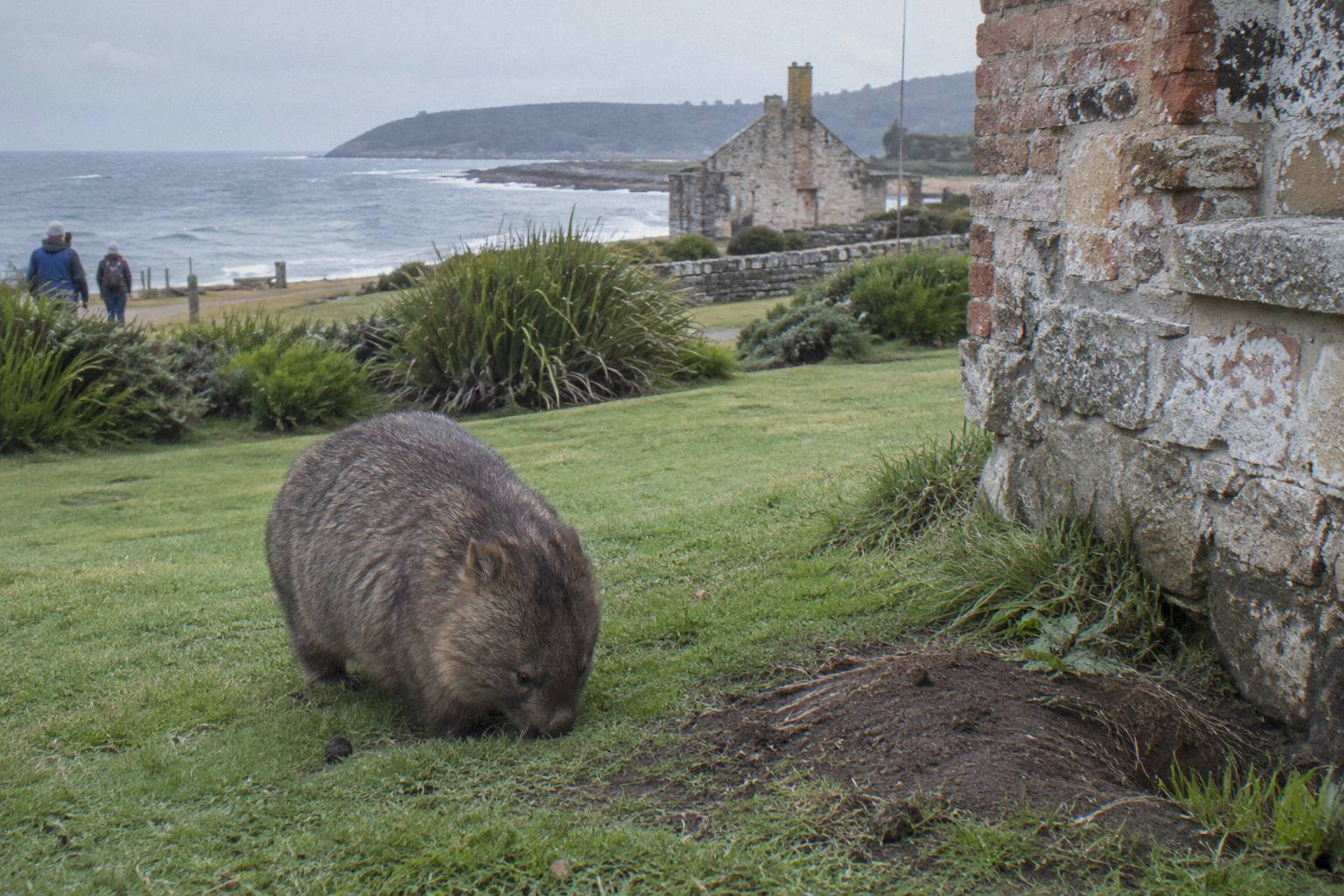
For a broader picture of the island's animal life beyond the marsupials, the companion piece on wildlife on Maria Island beyond wombats works through the birds, the marine reserve and the less famous residents. And because the devils deserve their own honest treatment of the odds, see whether you can see Tasmanian devils on Maria Island: the short answer is that 15 animals were released in 2012 as an insurance population against devil facial tumour disease, and a daylight sighting is a matter of luck, not planning.
Which Animals You Might Actually Encounter
Parks lists pademelons, forester kangaroos, Bennett's wallabies, Flinders Island wombats, Cape Barren geese and Tasmanian native hens, plus 11 of the 12 Tasmanian endemic birds, the forty-spotted pardalote among them. Fifteen Tasmanian devils were introduced in 2012 as a captive-breeding insurance population. Every one of these is a possible sighting, and none is promised by anyone.
The table below lists each animal and how likely a sighting is, since none of them take bookings.
| Species or group | What To Expect |
|---|---|
| Flinders Island wombat | Listed by Parks; commonly seen; never guaranteed |
| Forester kangaroo | Listed by Parks as present on the island |
| Bennett's wallaby | Listed by Parks as present on the island |
| Pademelon | Listed by Parks as present on the island |
| Cape Barren goose | Listed by Parks as present on the island |
| Tasmanian native hen | Listed by Parks as present on the island |
| Tasmanian devil | 15 introduced in 2012 as an insurance population; no sighting guarantee |
| Forty-spotted pardalote | One of 11 of 12 Tasmanian endemic birds recorded; Reservoir Circuit noted as good habitat |
| Australian fur seal | The operator describes thousands resting on rocks and swimming at Ile des Phoques |
| Dolphins | The operator says dolphins are common on the water |
| Whales | Southern right and humpback whales pass during migration windows |
A few of those rows deserve expansion. The fur seals live at Ile des Phoques, a small island off the Maria coast rather than on Maria itself, so a seal sighting belongs to a boat day, not a walking day. The whale windows come from Parks: southern right whales head north from June to September and south from September to late October, and humpbacks head north from May to July and south from September. Those are migration facts, not sighting promises.
The birds are the quiet overachiever of a Maria visit. Eleven of twelve endemics is a figure few Australian sites can match, and the Reservoir Circuit, an easy 4 km return Grade 3 walk, is the one route Parks tags for the forty-spotted pardalote. If your day allows only one short loop after the township, that is a strong candidate on the bird numbers alone.
Because habitat knowledge is exactly what a guide adds, a guided day is worth weighing even before you look at routes. These three trips cover the spread of formats for a wildlife-focused visit:
The Guided Trips That Shape A Wildlife Day
The Active Day Tour From Hobart runs about 10 hours with roughly 10 km of walking in a small group, rated 4.8 from 240+ reviews, with ferry and park fees included. The Cruise And Guided Walk With Picnic Lunch pairs a boat from Triabunna with a guided walk and lunch, rated 4.9 from 140 reviews. The Grand Picnic Day Walk takes a maximum of 8 guests for about 10 hours.
Each format changes what a wildlife day looks like. A walking-first trip such as the Active Day Tour, run by Tours Tasmania from a Hobart start on Davey Street with an earlier summer departure than winter, spends its hours on the ground where the wombats, kangaroos and wallabies live, and returns to Hobart. It suits a visitor who wants distance covered and habitat crossed, and who has moderate fitness. The cancellation terms differ between its two booking pages, one free up to 2 days before and one non-refundable, so check the terms on the booking page you use before committing.
The Cruise And Guided Walk With Picnic Lunch, from the Pennicott Wilderness Journeys side of the Maria Island Cruises family, leaves Triabunna by boat about 10:00 and returns about 3:45pm, includes a ploughman's-style picnic lunch (Hobart hotel pickup is not included; you meet at 21 Vicary Street, Triabunna), and carries free cancellation up to 24 hours before start. Water time plus a guided Darlington walk is a different balance again: seals, dolphins and possibly whales on the crossing, then the township grassland on foot.
The Grand Picnic Day Walk by See Tasmania Tours is the small-group end of the spread: a maximum of 8 guests, about 10 hours, Hobart hotel pickup and a Davey Street start around 8:15am, with land and sea transport and park fees included and free cancellation up to 24 hours before start. For depth on the format comparison, the guide to Maria Island walks, guided and self-guided breaks down what a leader adds on each route.
If a cruise-first day from Triabunna suits your base on the east coast, the Cruise And Walk From Triabunna is the sibling product: check-in from around 9:30am at 21 Vicary Street, about 6 to 8 hours, park fee and landing included, and free cancellation up to 24 hours before start.
The Walks That Carry You Through Wildlife Country
The Darlington Township Walk, 1 km and Grade 2, puts you straight into the cleared ground where wombats and kangaroos graze. Fossil Cliffs adds a 4.5 km Grade 3 circuit, the Reservoir Circuit runs 4 km return through pardalote habitat, and Painted Cliffs covers 4.3 km return with a tide and sea-state condition attached. Longer routes climb away from the grazing country.
Every distance and grade below comes from Parks walking times, and the wildlife column covers habitat type and one named bird association. No route promises an animal.
| Walk | Distance and grade | Time on foot | Wildlife relevance |
|---|---|---|---|
| Darlington Township Walk | 1 km, Grade 2 | 0.5 to 2 h | Grassland and ruins grazing ground |
| Painted Cliffs | 4.3 km return, Grade 3 | 1 to 2 h | Coastal strip; platform safest within two hours of low tide, calm seas only |
| Fossil Cliffs | 4.5 km circuit, Grade 3 | 1 to 2.5 h | Cliff-top grassland edges, fossils about 300 million years old |
| Reservoir Circuit | 4 km return, Grade 3 | 1.5 h | Noted by Parks as good for the forty-spotted pardalote |
| Bishop and Clerk | 11 km return, Grade 4 | 4 to 5 h | Summit 620 m; scrambling, exposed; forest and higher ground |
| Mount Maria | 16 km return, Grade 4 | 8 h | 711 m; generally needs an overnight stay |
For a day built around the grazers, the practical geometry is simple. The township walk and its grassland fringe need no planning at all. Fossil Cliffs and the Reservoir Circuit each fit comfortably inside a ferry day and pass through different habitat. Painted Cliffs is the one route with a hard condition: the rock platform is safest within two hours of low tide and in calm seas only, the cliffs are unstable and cannot be climbed or accessed from above, and the beaches are unpatrolled. The tide is not in the ferry timetable, so check it yourself. The dedicated guide to walking the Painted Cliffs on Maria Island covers the timing in detail.
Bishop and Clerk and Mount Maria are summit days rather than wildlife days. They climb into forest and exposed rock, where you trade the grazing ground for views, and Mount Maria at 16 km return is generally not possible to combine with the same-day ferry, so it belongs to overnight visitors. If a big walk tempts you anyway, the Bishop and Clerk walk guide explains what the 620 m summit involves.
Seals, Dolphins And Whales From The Water
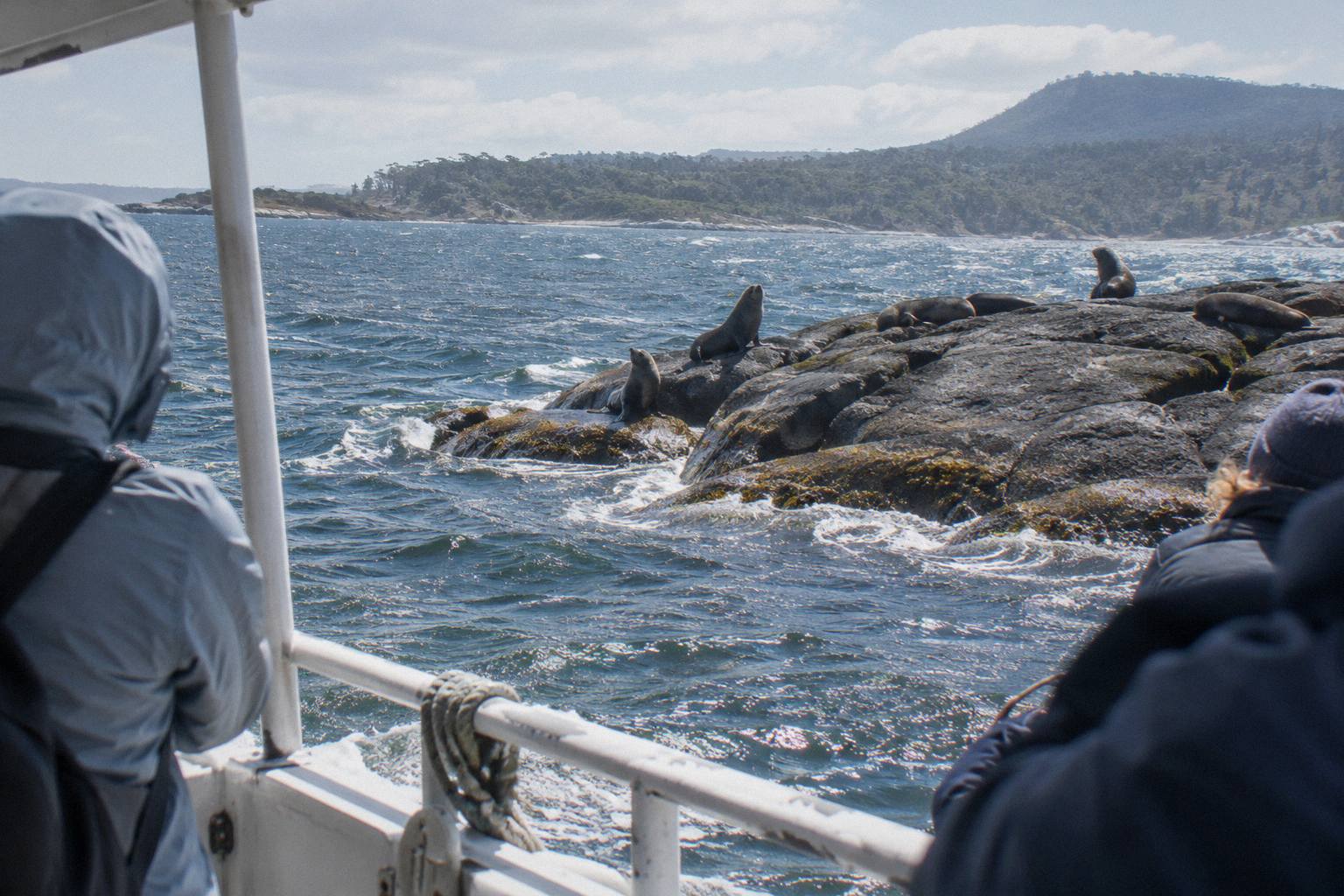
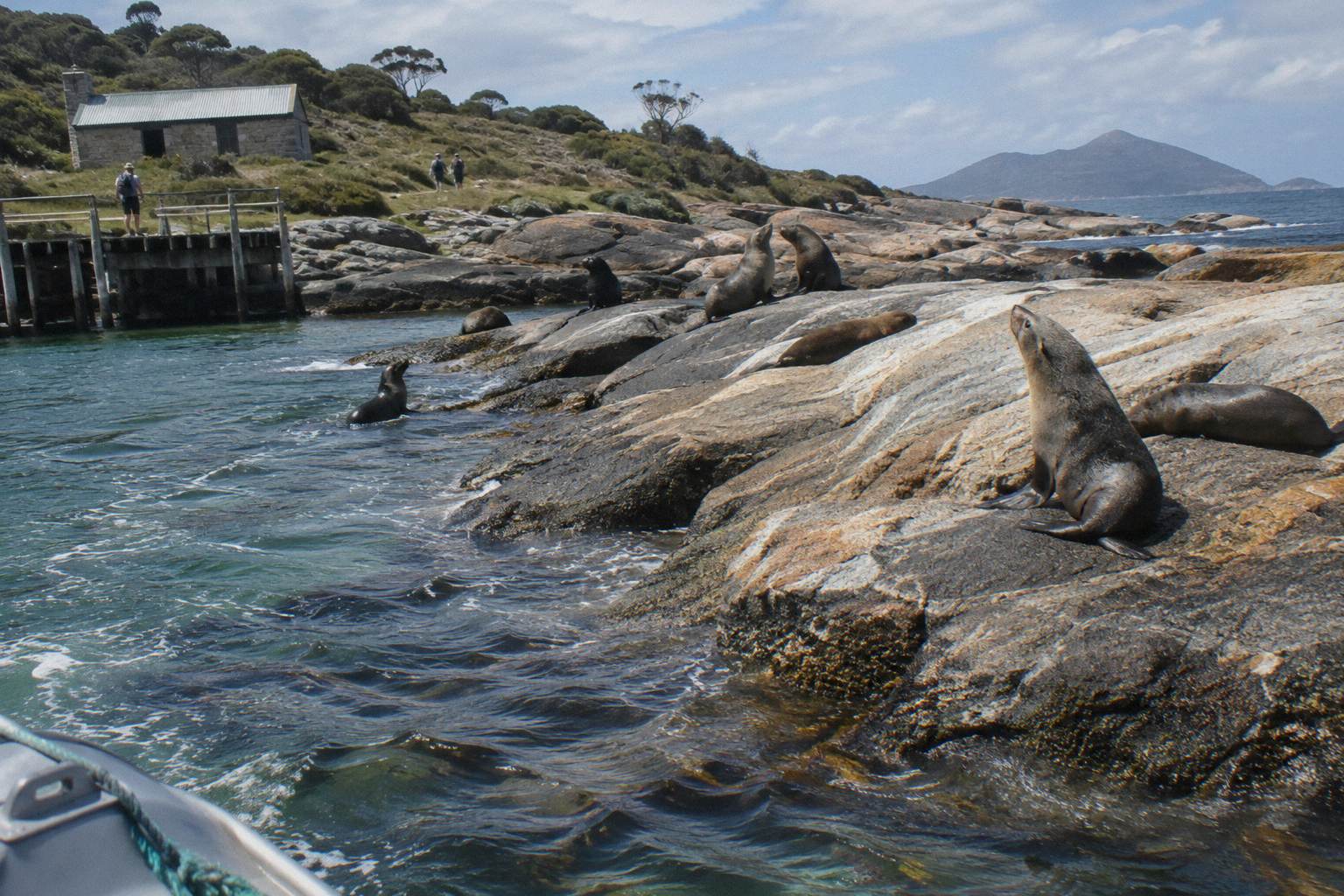
The operator describes thousands of Australian fur seals resting on the rocks and swimming in the surrounding waters at Ile des Phoques, and says dolphins are common and humpback and southern right whales appear during migration. Parks gives the whale windows: southern rights northward June to September, humpbacks northward May to July, both returning south from September. None of it is guaranteed, and sightings vary daily.
A seal encounter on a Maria trip happens at Ile des Phoques, a rocky islet in the stretch of water the cruise boats cross, not on Maria's own shoreline. The Ile Des Phoques Boat Day Trip from Maria Island Cruises spends about 7.5 hours on the water from 21 Vicary Street Triabunna, with morning tea, drinks and a salad-bowl lunch included and free cancellation. It is rated 4.9 from 50+ reviews. No seal breeding season is stated by anyone, so none appears here.
The whale windows are worth planning around if marine wildlife is your priority. Humpbacks move north from May to July and head south from September; southern rights run later, north from June to September and south into late October. A spring boat day therefore sits across both southerly streams, though the operator's own words are the honest ones: sightings vary daily, and nobody can promise which animals a given morning holds.
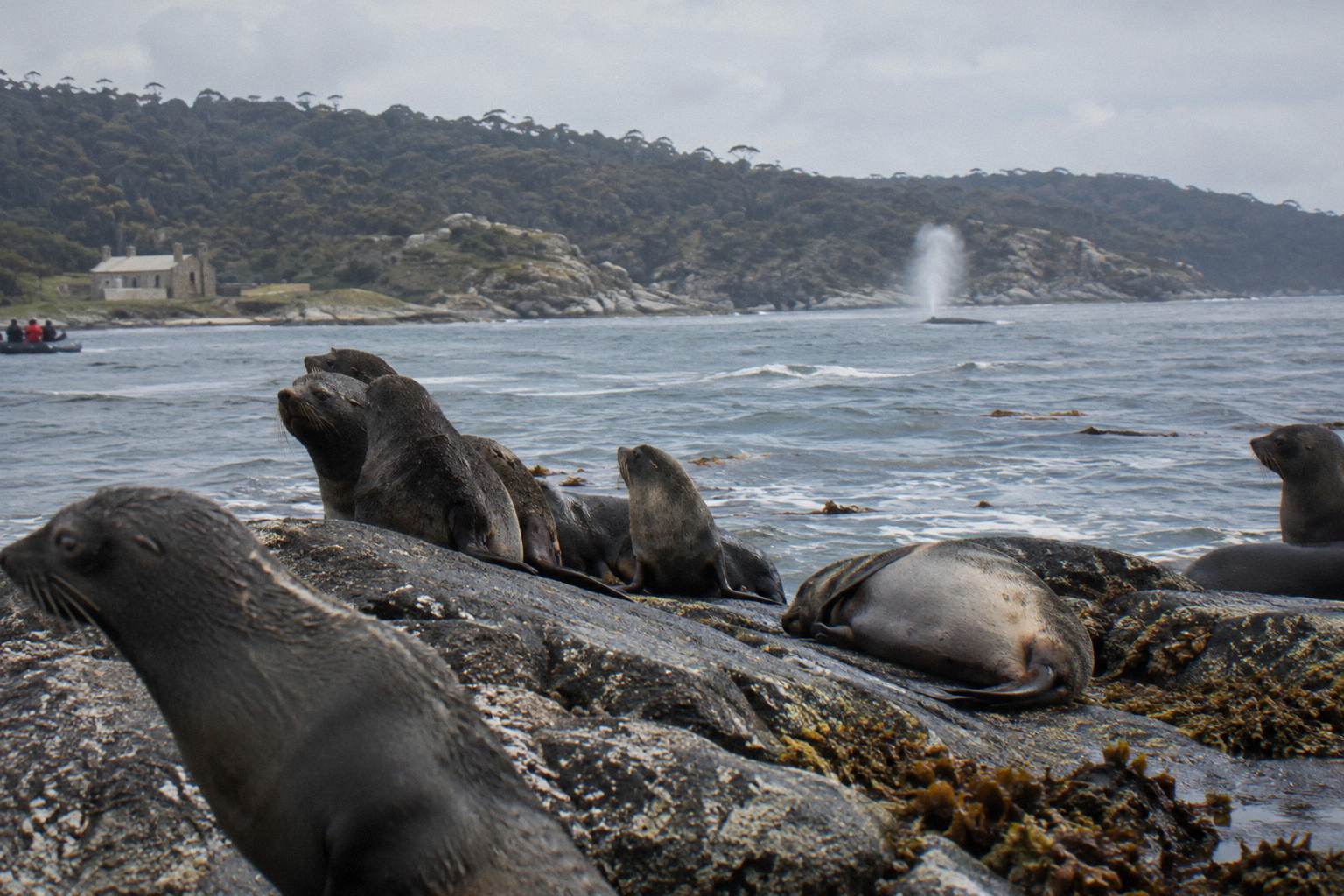
Dolphins round out the water picture. The operator lists common and bottlenose dolphins as regular in these waters, which makes the boat legs of the cruise-based trips, rather than the ferry crossing, the more likely place to meet them. For the full marine picture including the no-take reserve, the guide to a Maria Island cruise and the seals collects what the operators and Parks actually say.
Guided Day Or Independent Ferry Trip For A Wombat Chase
An independent ferry day gives you the same habitat and the same animals, but a guided trip adds someone who knows where the wildlife has been feeding, plus inclusions that remove planning. The trade-off is cost and pace: a guided trip moves as a group for about 10 hours on the walking formats, while an independent day moves entirely at your own speed.
Neither option improves the animals. What a guide changes is the odds of being in the right clearing at the right moment, and the cost of that knowledge shows on the booking page rather than in any figure here, because the trips carry no price figures. What you can compare now is structure.
| Format | Typical shape | What it adds for wildlife |
|---|---|---|
| Independent ferry day | Ferry from Triabunna, own route choice | Full freedom; you carry all planning and food |
| Active Day Tour From Hobart | About 10 hours, about 10 km walking, small group, Hobart start | A leader on the ground all day; ferry and park fees included |
| Cruise And Guided Walk With Picnic Lunch | Boat about 10:00 to about 3:45pm, guided Darlington walk, lunch | Water wildlife plus a guided walk |
| Grand Picnic Day Walk | About 10 hours, maximum 8 guests, Hobart pickup | Small-group pace and a guide; transport and park fees included |
| Ile Des Phoques Boat Day Trip | About 7.5 hours on the water from Triabunna | The seal colony and open-water whales and dolphins |
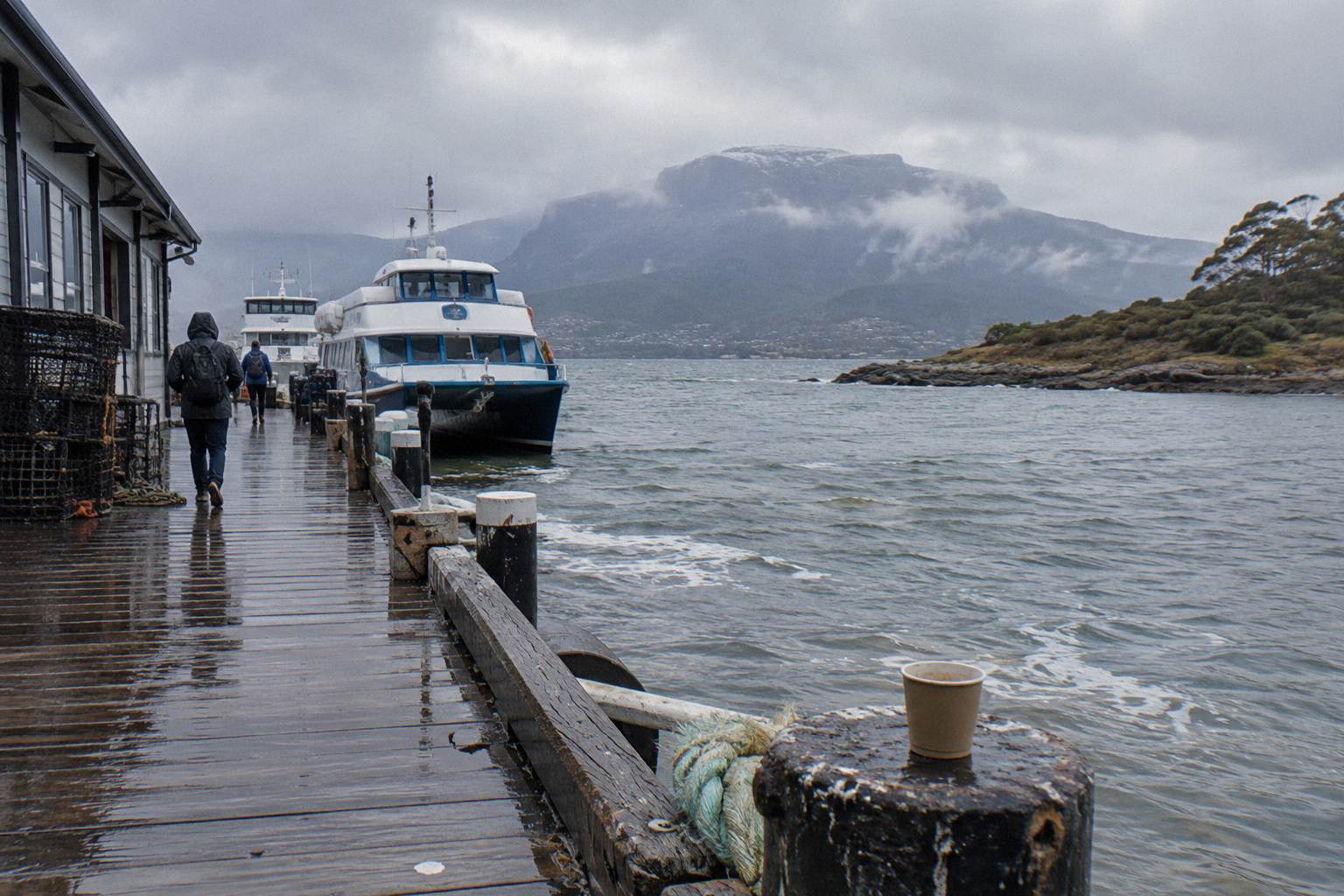
The independent day has one quiet advantage worth naming: the ferry timetable runs several sailings each way in the warmer months and fewer in winter, and an early sailing buys you hours on the island before the day-trip crowds arrive. The trade is that you organise the park pass, food and water yourself, and there are no shops or cafes on the island, so every meal is carried in. The water on the island is not potable and must be boiled for one minute or purified, with a few signed taps at the Darlington barbecue shelter and the Mess Hall.
For the fuller argument on both sides, the companion post on a guided day versus doing it yourself weighs cost, pace and planning. If you lean guided, the Active Day Tour From Hobart is the walking-first option, and check availability for your date takes one click.
What To Bring For A Wildlife Day
Carry all food and water for the day, because the island has no shops or cafes, and treat tap water by boiling it for one minute or purifying it. Bring rubbish out with you, since there are no bins. Binoculars serve the bird list, and layers serve a climate where the warmest month averages a 21.5 °C maximum and the coolest a 12.8 °C maximum.
The packing list below is short because the island is short on services, not because the day is easy. The full checklist lives in the guide on what to pack for a Maria Island day tour.
| Item | Why it matters |
|---|---|
| All food and snacks | No shops or cafes; the Coffee Palace is a museum |
| Water plus treatment | Water is not potable; boil one minute or purify; signed taps at Darlington barbecue shelter and Mess Hall |
| Rubbish bag | No bins on the island; everything carried out |
| Binoculars | 11 of 12 Tasmanian endemic birds recorded, including the forty-spotted pardalote |
| Layers and rain jacket | Rain falls on an average of 76.9 rain days a year at the island's weather station |
| Enclosed walking shoes | Tracks range from Grade 2 loops to Grade 4 summit ground |
| Tide notes for Painted Cliffs | Platform safest within two hours of low tide, calm seas only |
The climate numbers come from the Bureau of Meteorology's Maria Island (Point Lesueur) station records from 2004 to 2026: a January mean maximum of 21.5 °C against a July mean maximum of 12.8 °C, with a July mean minimum of 7.5 °C and about 530.5 mm of rain a year. In practice that means a summer day can still end cold on an exposed cliff top, and the weather and best-time guide works through the seasons month by month.
Two behavioural items matter as much as gear. Keep 2 m from all wildlife and never feed anything, which protects both the animals and your day. And resist the urge to approach wombats for photographs: a common animal at 10 m is a better memory than a stressed one at 2 m, and the rule is the rule.
Winter As A Wildlife Season
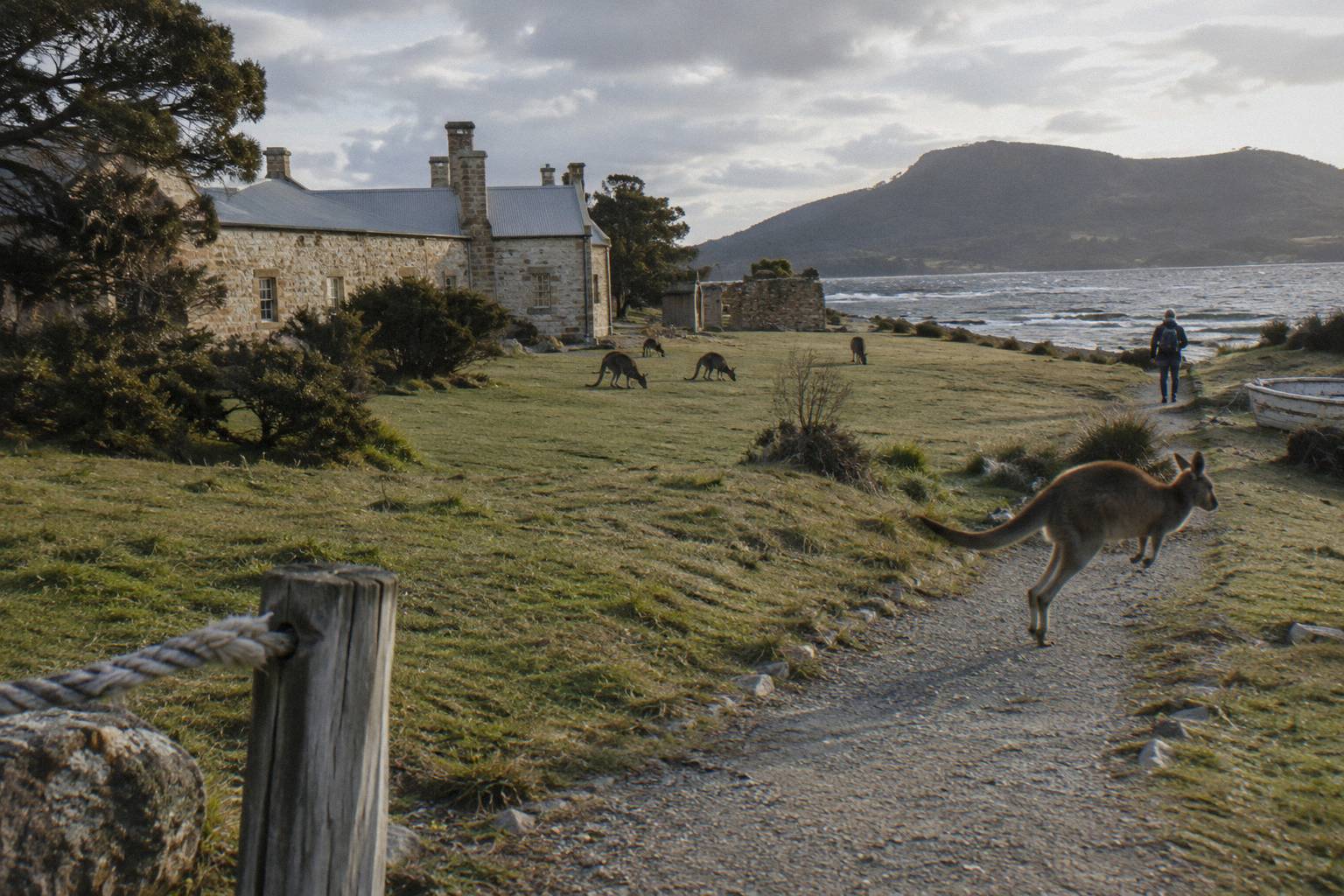
Winter on Maria Island is quieter, cooler and still full of animals, with a July mean maximum of 12.8 °C and a mean minimum of 7.5 °C. The ferry drops to a reduced timetable with no Tuesday or Thursday sailings from May to August, and the whale migration continues, with humpbacks moving north from May to July and southern rights from June to September.
The winter case is partly wildlife and partly arithmetic. Fewer visitors share the same grassland, the grazing animals do not migrate, and the Winter Day Trip From Hobart by See Tasmania Tours exists precisely for this window: about 8 hours, Hobart hotel pickup with a Davey Street start around 9:00am, ferry and park fees included, lunch with a glass of wine, and free cancellation up to 24 hours before start.
The trade-offs are real. Days are short, the water is cold, and sailings are subject to demand and safe sailing conditions year-round, so a winter booking needs a weather plan B. The companion piece on Maria Island in winter, ferry and walks covers the season honestly, including what closes down.
Rules That Protect The Animals And The Marine Reserve
Keep 2 m from all wildlife and never feed it, take all rubbish out, and leave shells and living or dead material where it lies. The marine reserve along the north-west coast is a no-take zone where fishing is not allowed, while snorkelling and diving are possible in Darlington Bay and at the Painted Cliffs. The beaches are unpatrolled.
These rules come from Parks and Wildlife Service guidance for the national park, and they are the difference between an island that stays full of animals and one that slowly stops being so. Feeding wildlife changes behaviour and diet; approaching too closely changes both plus yours, since a wombat is heavier than it looks and entirely capable of defending itself.
The marine reserve rules catch some visitors by surprise. Fishing is not allowed in the no-take zone along the north-west coast, and the ban on collecting extends to shells and to living or dead material of any kind. Snorkellers and divers are welcome in Darlington Bay and at the Painted Cliffs, conditions permitting, and the official ferry operator's wildlife page adds practical detail on what swims near the jetty.
None of this needs a ranger to enforce on a typical day, because the island's visitors mostly police it themselves. The 2 m rule is the one to actually rehearse before you arrive: it is easy to honour at a distance and surprisingly hard when a wombat ambles toward your picnic spot.
What Trips People Up When Chasing Wildlife
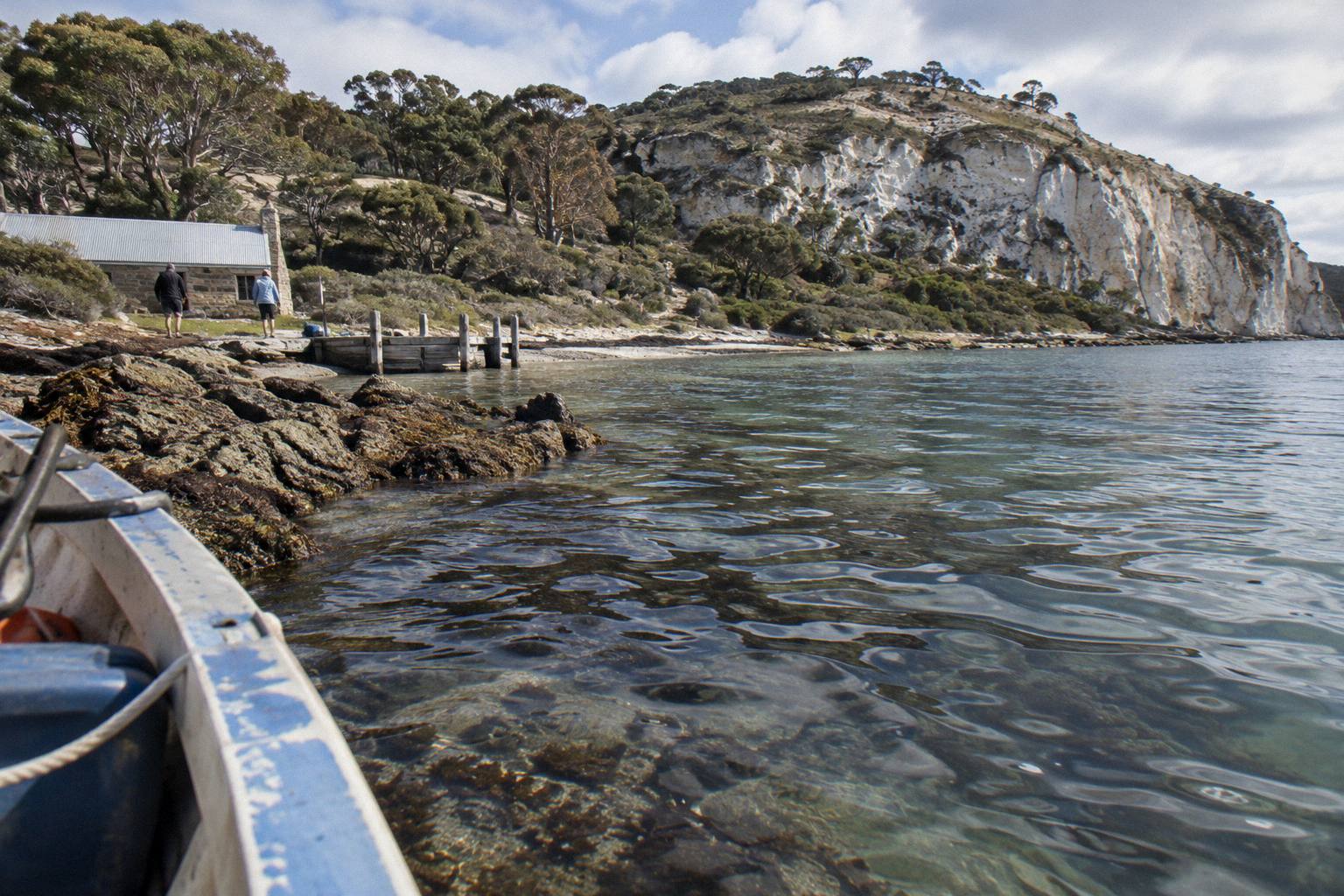
The four mistakes that cost people animals are promising themselves a sighting, timing Painted Cliffs against the ferry instead of the tide, assuming food can be bought on the island, and mixing up trip inclusions. Wombats, devils, seals and whales are all possible and none is guaranteed, and each trip's inclusions apply to that trip alone.
The first mistake is expectation. Visitors who build a day around one species set themselves up for disappointment on an island where the honest pitch is abundance, not certainty. Build the day around habitat and routes instead, and treat any wombat, devil or whale as what it is: luck confirming a good plan.
The second is tide arithmetic at the Painted Cliffs. The rock platform is safest within two hours of low tide and in calm seas only, the cliffs cannot be climbed or approached from above, and the ferry timetable knows nothing about any of it. Check the tide table for the day before you lock a route. The dedicated piece on whether you need low tide for the Painted Cliffs answers the question directly.
The third is assuming services. There are no shops, no cafes and no bins, the water needs boiling or purifying, and a hungry afternoon is a common and avoidable outcome. The fourth is inclusion drift: the Active Day Tour includes ferry and park fees, the scenic flight does not include a park pass, and a duration or lunch stated for one trip is never a fact about another. Read your own trip's inclusions on its booking page before you pack around them.
A final note on the devil question, because it is the most common one: 15 devils were introduced in 2012 as an insurance population against devil facial tumour disease, they are nocturnal and sparse, and a guided trip improves local knowledge but not the laws of chance. As the team at Maria Island Tours puts it in every wildlife piece: plan the habitat, respect the 2 m rule, and let the island do the rest.
These three formats cover the range again, walking-first, cruise-and-walk and small-group picnic, for anyone deciding now:
Common Questions About Maria Island Wombats And Wildlife
Are Wombats Guaranteed On Maria Island?
No. Parks lists Flinders Island wombats among the island's species and they are commonly seen around the Darlington grassland, but no operator or authority promises a sighting, and the honest plan is habitat and time rather than certainty.
Can You See Tasmanian Devils On Maria Island?
Possibly. Fifteen devils were introduced in 2012 as a captive-breeding insurance population against devil facial tumour disease. They are sparse and mostly active at night, and a sighting is luck rather than planning.
Which Walk Is Best For Wildlife?
The Darlington Township Walk, 1 km and Grade 2, crosses the grazing ground immediately. Fossil Cliffs, 4.5 km Grade 3, and the Reservoir Circuit, 4 km return and noted for the forty-spotted pardalote, add habitat without a hard climb.
Where Can You See Seals?
At Ile des Phoques, reached by boat rather than on foot. The operator describes thousands of Australian fur seals resting on the rocks and swimming in the surrounding waters there, and the Ile Des Phoques Boat Day Trip spends about 7.5 hours on that water.
When Do Whales Pass Maria Island?
Parks gives the windows: southern right whales head north from June to September and south from September to late October, and humpbacks head north from May to July and south from September. Sightings vary daily and nothing is guaranteed.
Do You Need A Guide To See The Wildlife?
No, the animals and habitat are the same either way. A guided trip such as the Active Day Tour From Hobart adds a leader who knows the island for about 10 km of walking in a small group, with ferry and park fees included, but an independent ferry day reaches the same ground.