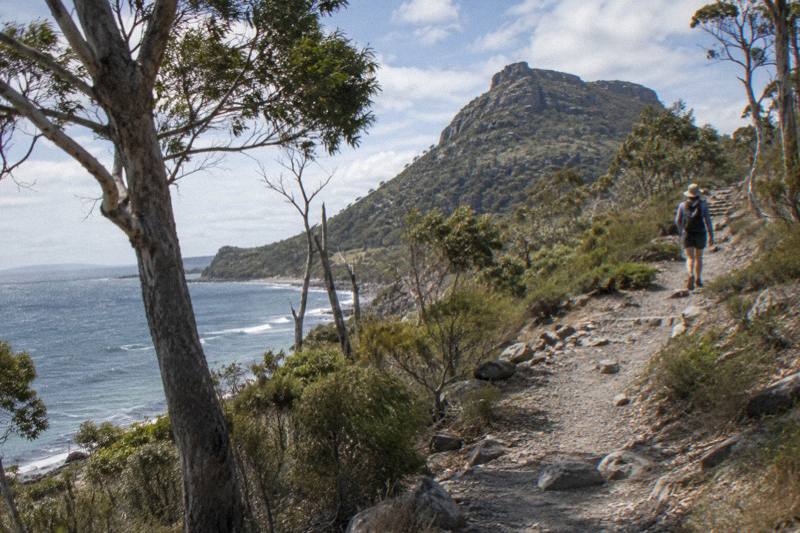
Can You See Tasmanian Devils On A Maria Island Wildlife Walk?
Tasmanian devils live on Maria Island as a small insurance population introduced in 2012. Here is what a wildlife walk there realistically shows, and what you are far more likely to see.
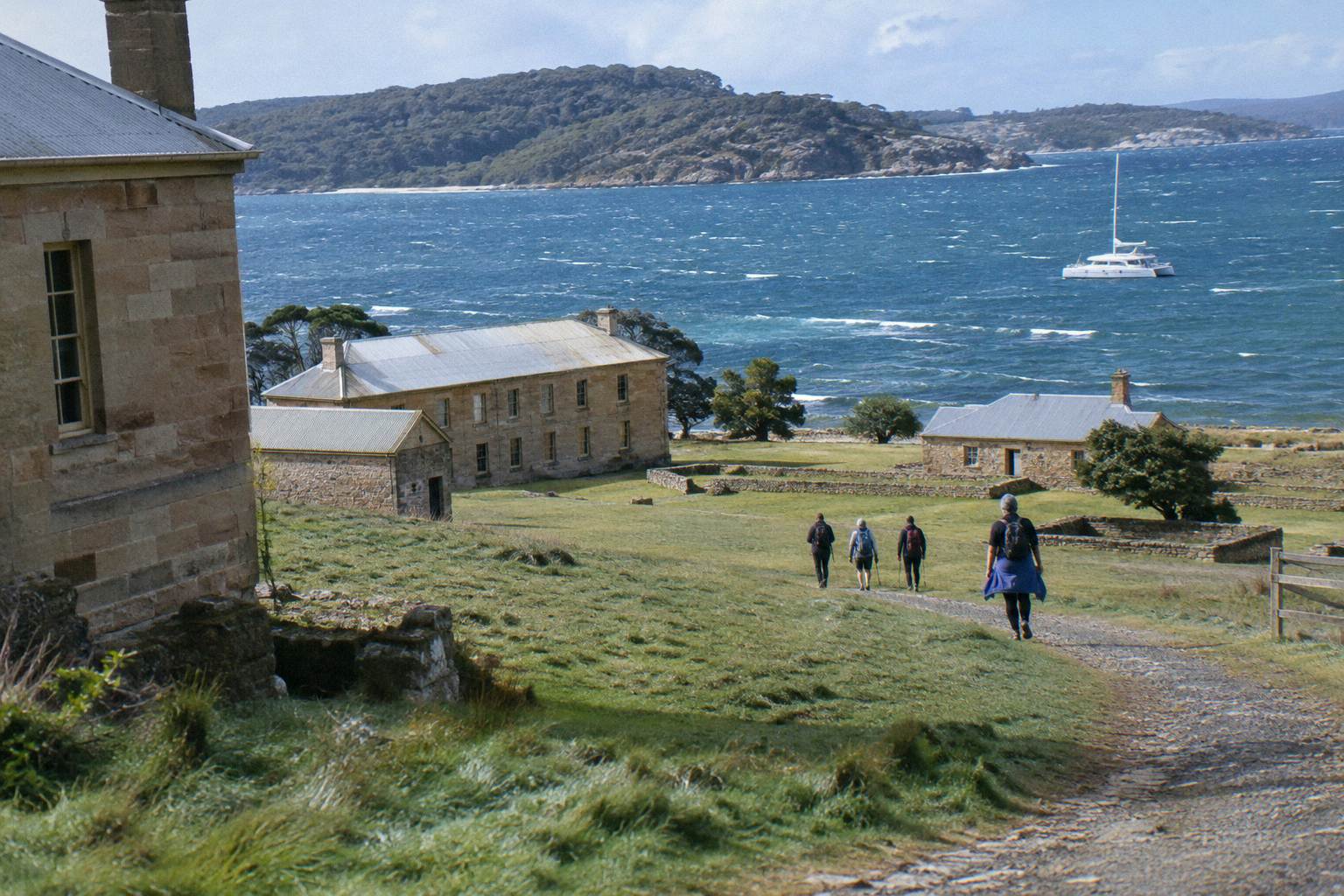
Tasmanian devils are real residents of Maria Island, descendants of fifteen animals released there in 2012 as an insurance population against devil facial tumour disease. Seeing one on a day walk is possible but genuinely uncommon, and no operator or park authority will promise it. What the island reliably offers instead is one of the densest gatherings of wild marsupials anywhere in Tasmania, spread across grassy flats a few minutes from where the ferry and the cruise boats land.
The honest framing matters because plenty of visitors arrive with a devil sighting as the single goal of the day. That framing sets the wrong target. Maria Island is a national park with no vehicles, no shops and only rangers as permanent residents, and its wildlife moves on its own schedule across open country. The devils are mostly active at night, while almost every visitor is on the island between mid-morning and mid-afternoon. Plan for the animals the island is known for, treat a devil as a bonus, and the day tends to work out.
How you structure the day changes what you see. Some travellers take a guided small-group day from Hobart, others ride the official ferry and walk independently, and the choice shapes your route, your timing and how much interpretation you get.
Why Are There Devils On Maria Island At All?
The devils on Maria Island are not remnants of an ancient wild population; they were deliberately released in 2012 as a captive-breeding insurance group. Devil facial tumour disease had devastated devils across Tasmania, and Parks and Wildlife Service moved fifteen healthy animals onto the island, where the disease was absent, so a breeding population could be held safely apart from the mainland outbreak. Their descendants live on the island today. That origin explains both why devils are there and why nobody can promise you one: a population founded by fifteen animals stays small, and the animals are shy and mostly nocturnal.
The insurance-population idea is the single most useful piece of background for a visitor. It tells you the devils are wild, not fed, not enclosed and not managed for viewing. There is no enclosure, no feeding station, no hide and no spotlight tour on the island, because the project exists for the species, not for spectators. Parks describes the introduction plainly on its Maria Island National Park page, and that page also carries the standing rule that matters in the field: keep your distance from all wildlife and never feed anything.
For a day visitor the practical consequence is simple. Your devil chances depend on luck and timing, not on buying a particular product. A guided trip does not come with better devil odds, because no guide can summon a nocturnal predator at midday. What a guided day does change is everything around the devils: which walk you take, how long you spend on the island, and how much you learn about what you are actually looking at.
What Wildlife Are You Actually Likely To See?
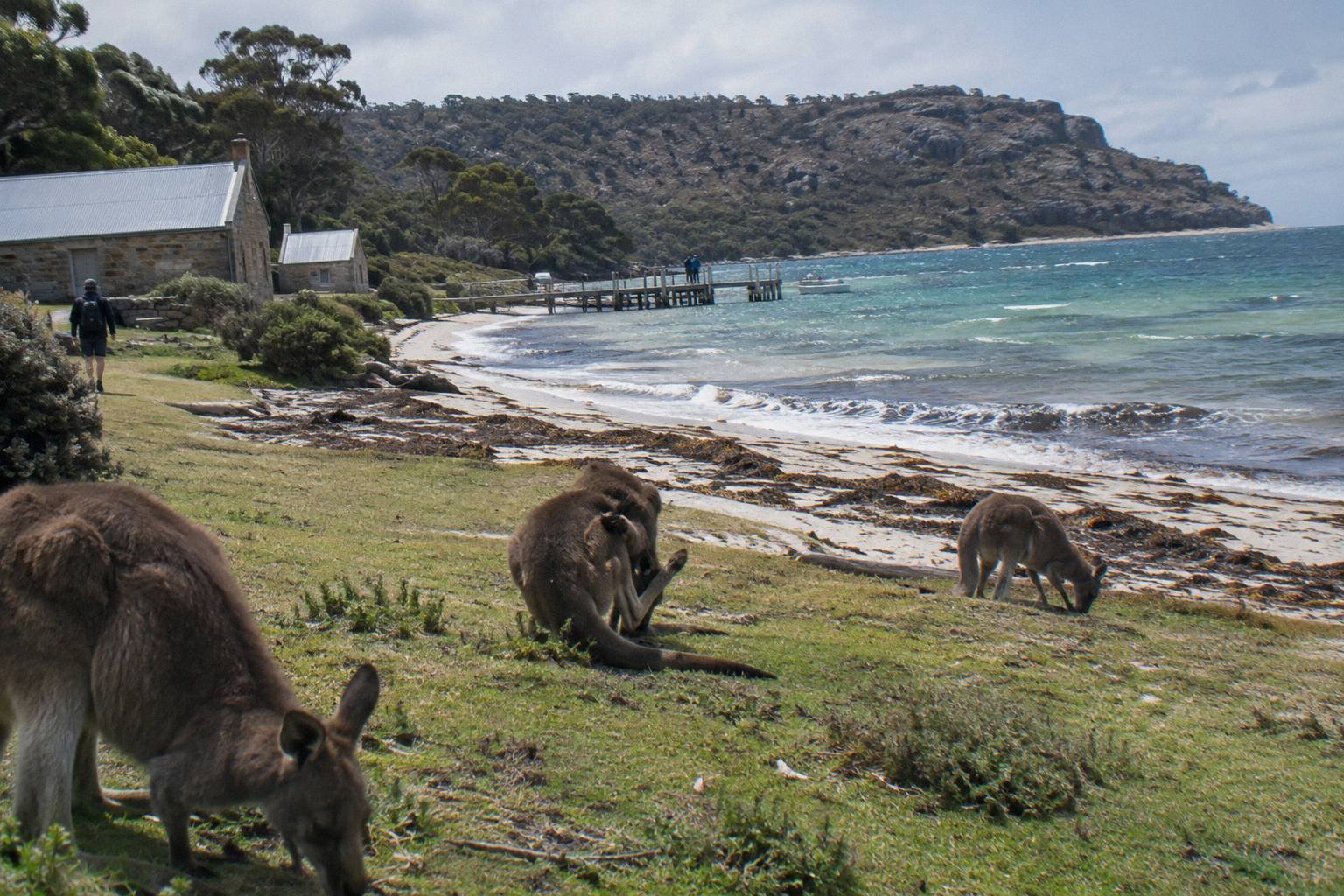
Almost every visitor meets wombats, forester kangaroos, Bennett's wallabies, pademelons, Cape Barren geese and Tasmanian native hens, because Parks lists all of them as resident and they graze in open country near Darlington. None of them is guaranteed either, but these are the animals the island is famous for, and a daylight walk through the grasslands gives you a real chance at every one of them. The devils are the exception, not the rule. Wombats in particular have become the island's signature sight, common enough that a wildlife walk without one is an unlucky day, though even they are never promised.
The full picture is bigger than the mammals. Parks records eleven of Tasmania's twelve endemic bird species on the island, including the forty-spotted pardalote, a small woodland bird that serious birders travel a long way to find. The Reservoir Circuit is noted as a good place to look for pardalotes, which makes it a smart add-on if birds are part of your reason for visiting. The broader wildlife story, including the marine side, is covered in detail in the wildlife beyond wombats piece, which is worth a read before you pick a route.
From the water the list grows again. The cruise operator describes thousands of Australian fur seals resting on the rocks and swimming in the surrounding waters at Ile des Phoques, and says dolphins are common, with humpback and southern right whales appearing during migration. The operator's own words come with a caveat worth repeating: sightings vary daily and nothing is guaranteed. The sea legs of the trip are a genuine second wildlife layer, and the official ferry operator's wildlife page adds its own summary of what crosses the island and the water.
Here is the sourced species picture in one view:
| Species | Where Parks Or The Operator Places It | Your Realistic Chance On A Day Walk |
|---|---|---|
| Tasmanian devil | Insurance population since 2012, no sighting promised | Possible, genuinely uncommon in daylight |
| Flinders Island wombat | Listed resident by Parks, common in open country | Good, never guaranteed |
| Forester kangaroo | Listed resident, grazes open grasslands | Good on most days |
| Bennett's wallaby and pademelon | Listed residents across the island | Very likely on most routes |
| Cape Barren goose and Tasmanian native hen | Listed residents, often near grass and shore | Very likely around Darlington |
| Forty-spotted pardalote | One of 11 of 12 Tasmanian endemic birds recorded | Requires the right woodland, worth the Reservoir Circuit |
| Australian fur seal | Operator: thousands at Ile des Phoques | Only from a boat product that goes there |
| Dolphins and whales | Operator: dolphins common, whales in migration | Boat only, seasonal, never promised |
The pattern in that table is the pattern of the whole island. The land animals are the reliable layer, the birds are a rich second layer for anyone who looks up, and the seals and whales belong to the sea. A day built around the land layer with a boat component bolted on gives you the widest spread of species, which is exactly the shape of several guided products.
Does A Guided Walk Improve Your Devil Chances?
No guided product can raise your odds of seeing a devil, because the devils are wild, nocturnal and unmanaged, and every operator disclaims sightings outright. What a guided walk improves is everything else: route choice, timing, interpretation, and the efficiency of a day that starts with a Hobart pickup instead of a 86 km drive to a wharf. If a devil appears, it will appear for a guided group and an independent walker with roughly equal likelihood. The decision to go guided should rest on convenience and knowledge, not on wildlife promises.
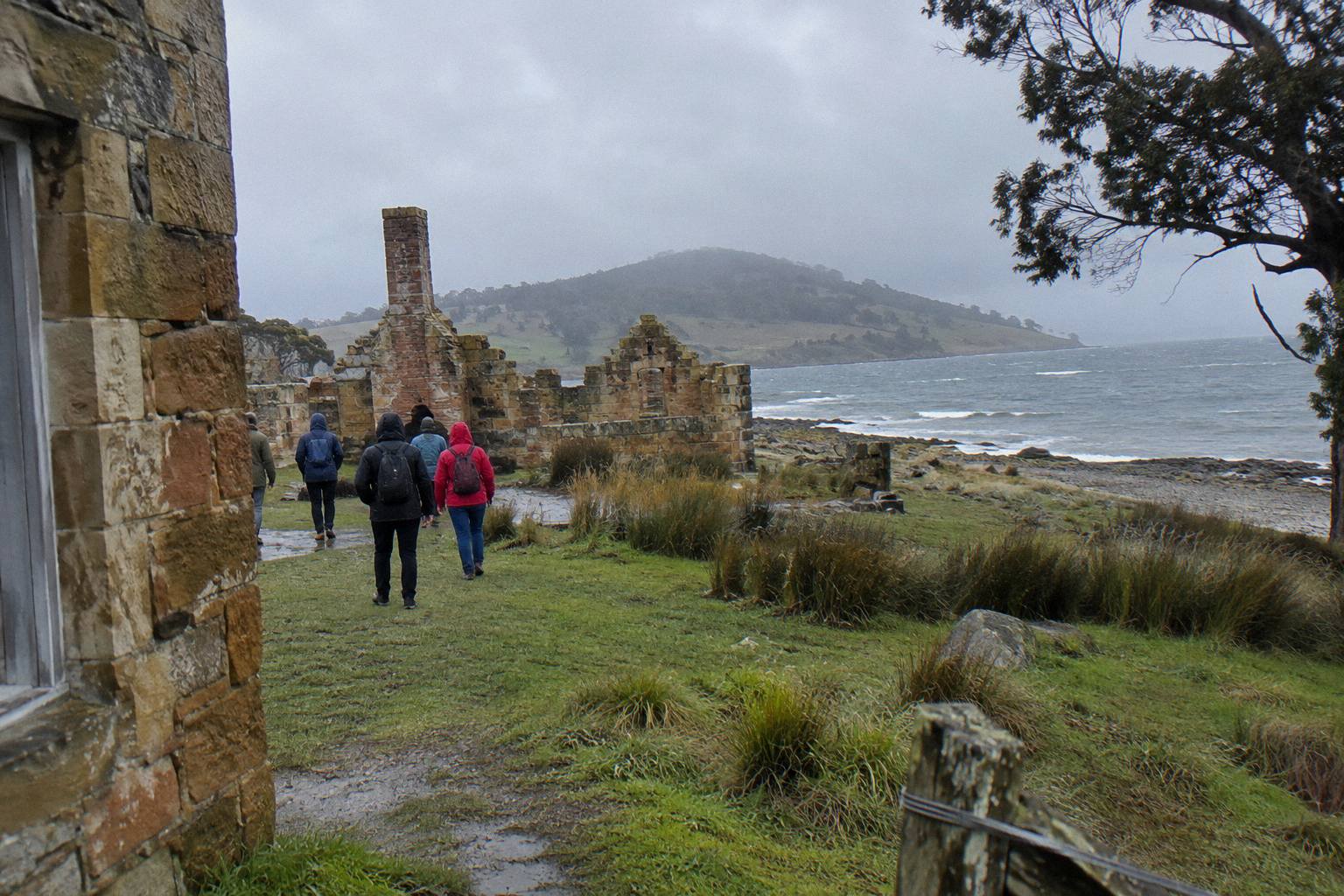
That distinction is worth dwelling on because it is the one thing people get wrong. Some visitors assume a guide knows where the devils sleep. There is no such place to know: no den site is advertised, no ranger leads devil viewing, and no operator advertises devils at all. A guide's real value shows elsewhere, in reading the grasslands, pacing the day around the walks that suit your fitness, and explaining the convict history that fills the middle of the island. The guided-versus-independent trade-offs run deeper than wildlife, and the full wombats and wildlife walk guide breaks down which routes put you in the best habitat for the animals you are most likely to meet.
Among the guided options, the Active Day Tour From Hobart is the one that most directly fits a wildlife-focused day. It runs about 10 hours from a Davey Street start in Hobart, with an earlier start in summer than winter, and returns to Hobart. The ferry and park fees are included, the group is small, and the day involves about 10 km of walking at a moderate fitness level. It rates 4.8 from 240+ reviews. One caution: its cancellation terms differ between its two booking pages, one free up to 2 days before and one non-refundable, so check the terms on the booking page you use before you commit.
Which Trip Formats Fit A Wildlife Day Best?
Three formats cover almost every wildlife-first visitor: a full walking day from Hobart built around the island's tracks, a cruise-and-walk combination that adds the seals and possible whales, or a small-group picnic day that keeps the pace gentle. All three put you on the island in the middle of the day, which is prime time for the grazing marsupials and quiet time for devils. The right choice depends on where you are staying, how much walking you want, and whether the marine layer matters to you.
The Cruise And Guided Walk With Picnic Lunch, run by Pennicott Wilderness Journeys in the Maria Island Cruises family, is the clearest marine-plus-land option. The boat leaves Triabunna about 10:00 and returns about 3:45pm, and the price shape includes a ploughman's-style picnic lunch. It rates 4.9 from 140 reviews, with free cancellation up to 24 hours before start. For a visitor whose wildlife list runs from wombats to fur seals, the water time is not dead time; it is where the dolphins and migrating whales live, within the operator's standing caveat that sightings vary daily.
The Grand Picnic Day Walk from See Tasmania Tours takes the other shape: about 10 hours with a Hobart hotel pickup and a Davey Street start around 8:15am, land and sea transport and park fees included, and a small group capped at a maximum of 8. Cancellation is free up to 24 hours before start. A group that small changes the texture of a wildlife day, because quiet moves through the grasslands with fewer people, and the pace can linger where the animals are. The price for your date shows on the booking page.
A rough way to hold the choice in your head:
| You Want | Format That Fits | Why |
|---|---|---|
| Maximum time on the walking tracks | Active Day Tour From Hobart | About 10 km of walking, about 10 hours, ferry and park fees included |
| Seals, dolphins, whales plus a walk | Cruise And Guided Walk With Picnic Lunch | Boat legs each way with about two land hours and lunch included |
| A quiet, slow group pace | Grand Picnic Day Walk | Maximum of 8 travellers, about 10 hours from a Hobart pickup |
| Cheapest and most flexible | Official ferry, walk independently | Same-day return fare from A$59.00, park pass extra, no guide |
One note on that last row: all amounts on this site are Australian dollars, and fares change, so treat every figure as a from-price and confirm at booking. The ferry is the official operator's product, separate from the guided trips, and its fare never includes the park pass.
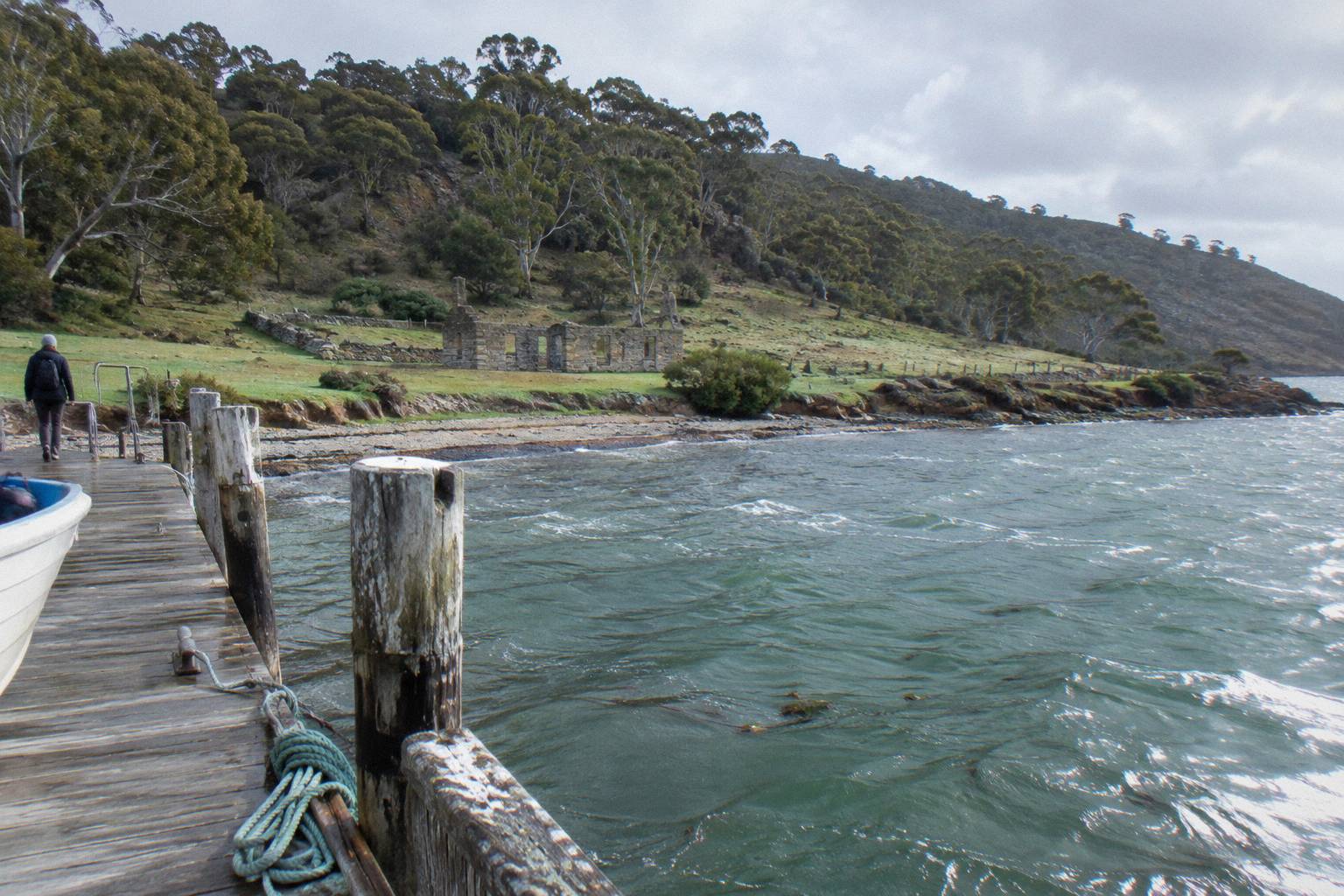
What Trips People Up When Chasing Devils
The biggest mistake is building the whole day around one nocturnal animal and calling the day a failure without it. The second is expecting a tour to include wildlife guarantees that no operator makes, and the third is forgetting the park pass, which the official ferry fare does not cover. A fourth, quieter error is wearing out the group on a long summit walk when the grasslands near Darlington hold most of the animals people actually came to see.
The pass point catches people every week. A daily park pass costs from A$24.55 per person arriving on foot, by bus or by cycle, with children under 5 free and a 20 percent Seniors Card concession, and the guided trips mostly bundle it while the ferry does not. Check what your chosen product includes before you assume. The full detail sits in the park pass guide elsewhere on this site.
Timing mistakes matter too. The Painted Cliffs rock platform is safest within two hours of low tide, and tides do not care about your ferry timetable, so a devil-hopeful visitor who also wants the cliffs needs to check both before locking a date. And if you arrive hoping for a specific animal and the morning is wet, remember the BoM Maria Island (Point Lesueur) station records 76.9 rain days a year averaging at least a millimetre: the animals do not stop grazing, but your patience might.
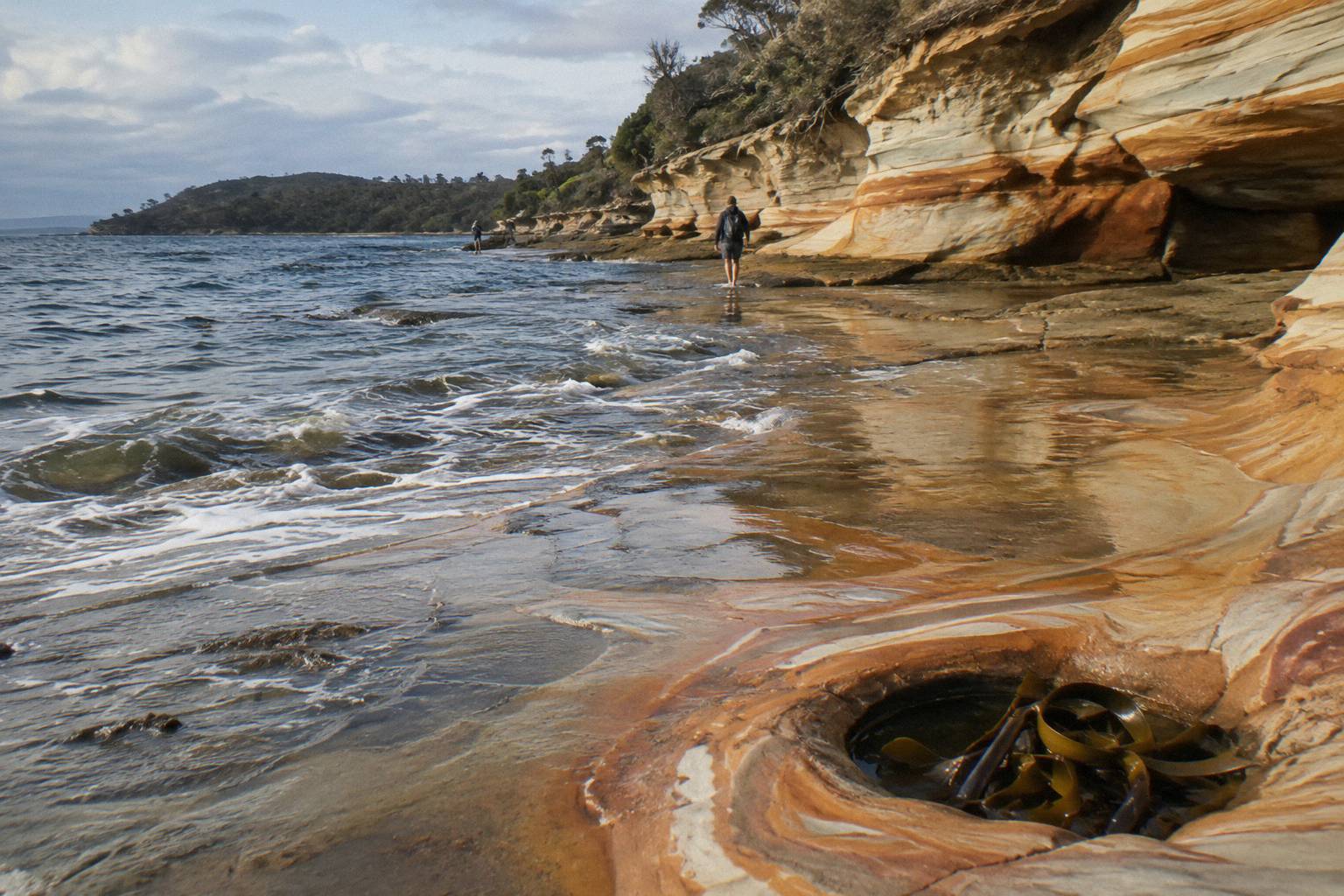
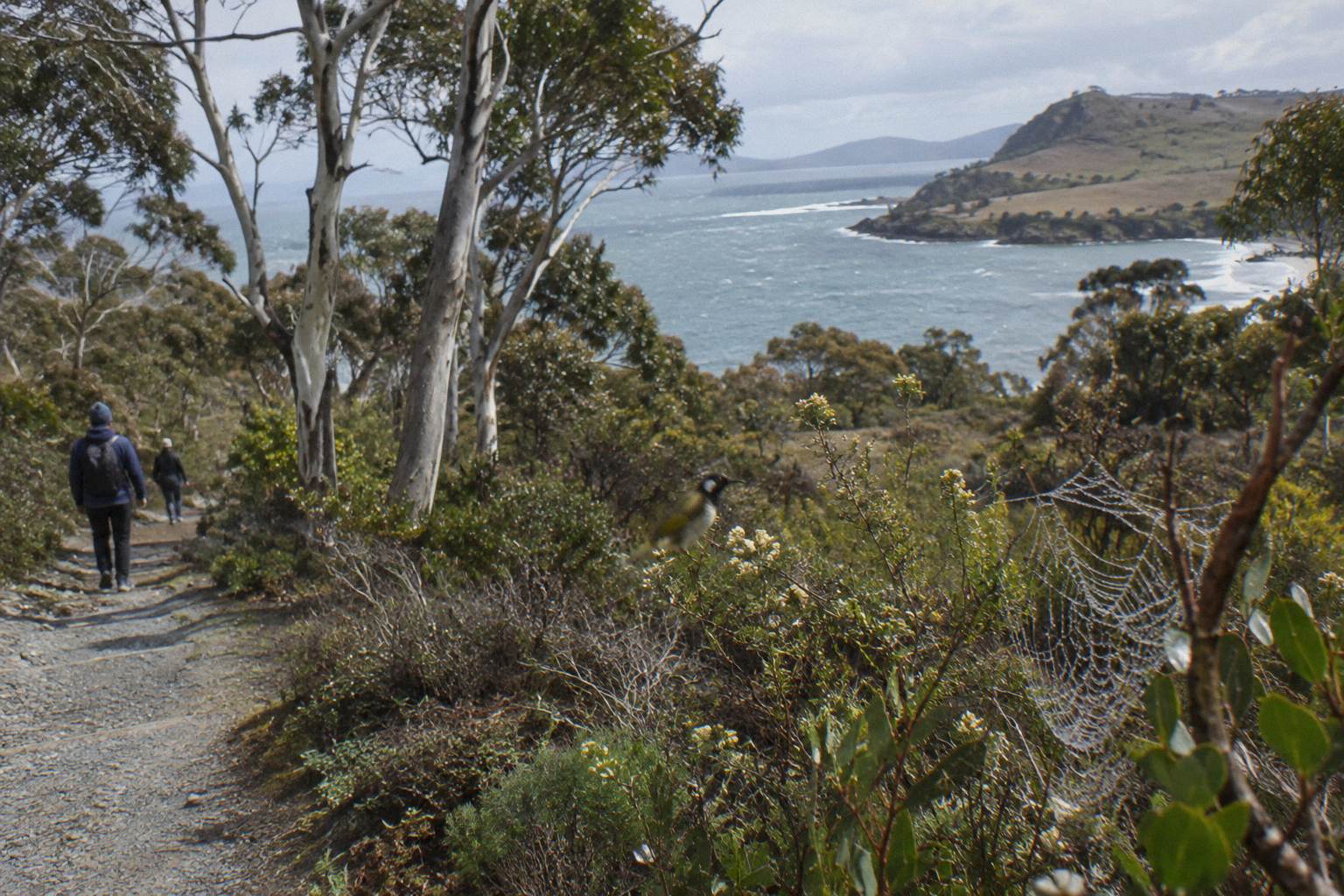
Finally, do not let the devil story crowd out the bird story. Eleven of twelve Tasmanian endemic birds are recorded on the island, and a visitor who walks head-down looking for one mammal will miss most of them. The endemic list is the part of Maria Island that rewards attention, and it costs nothing extra.
How Should You Plan The Day Around The Wildlife?
Start from Darlington and work outward: the grasslands and township walk give you the grazing marsupials within the first hour, the coastal tracks add geese and shorebirds, and a woodland circuit gives you the endemic birds. Give the island at least four to six hours on the ground if you can, keep two metres from every animal, and carry all your own food and water because there are no shops. A morning ferry or cruise arrival with a mid-afternoon departure fits that shape naturally.
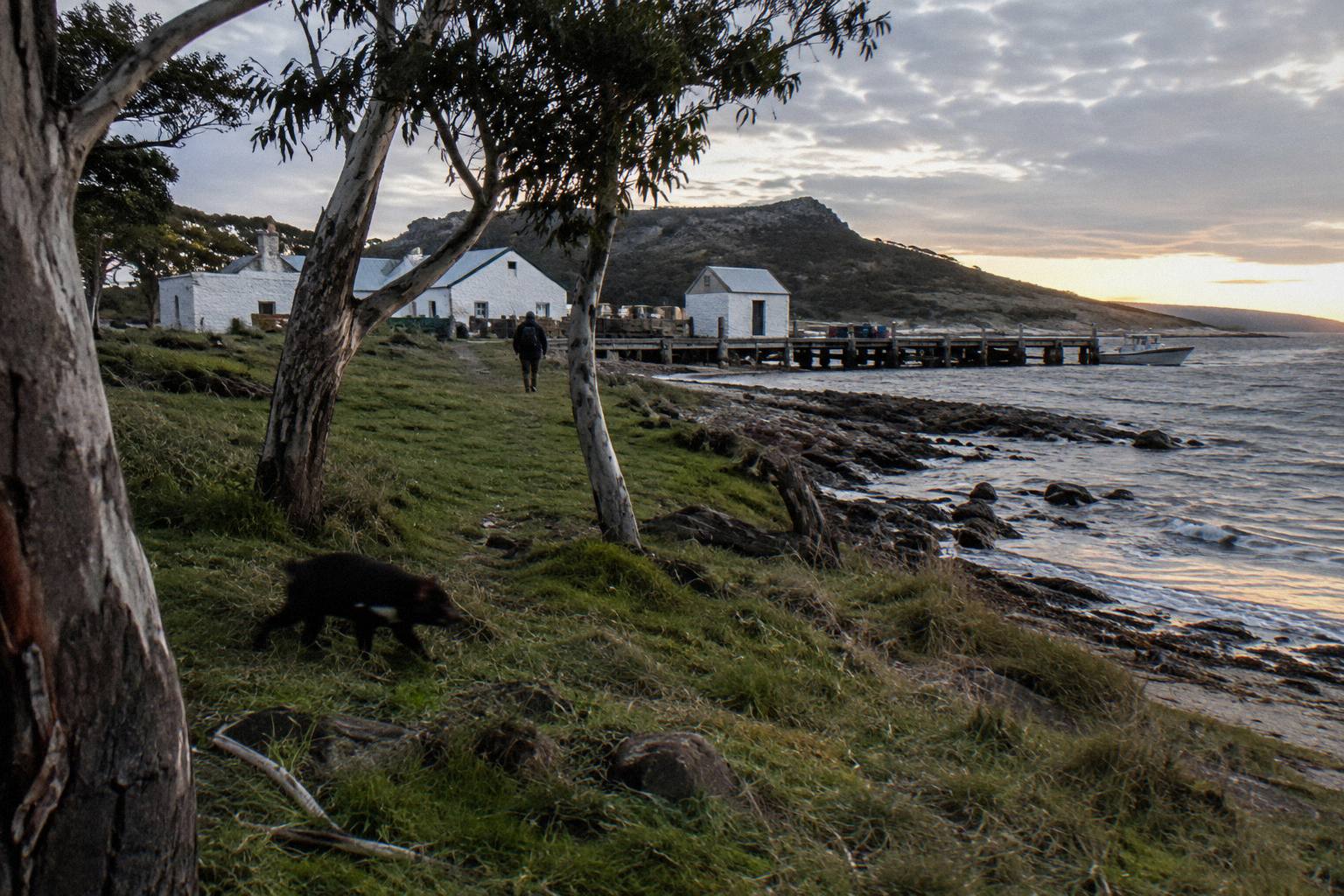
The practical layer is well covered elsewhere on Maria Island Tours, so keep this to the wildlife-specific points. Wear quiet-soled shoes, because a group of eight in stiff boots clears a paddock faster than anything else. Stay on formed tracks, both for the park rules and because the wildlife is habituated to people on paths, not people advancing across the grass. Move slowly near the wooded edges at either end of the day; those are the transition hours when a diurnal walk has its thin share of luck with shyer species, though a devil in daylight remains a rare event by any measure.
If you are choosing between seasons, the wildlife case and the comfort case point in slightly different directions. BoM records for the island station show July as the coolest month with a mean maximum of 12.8 °C and January the warmest at 21.5 °C, and the whales pass in the colder months, southern rights northward June to September and humpbacks May to July. A winter day trades warm grass for a chance of whales from the boat, and the winter ferry timetable drops Tuesday and Thursday sailings entirely between May and August, so check the sailing days before you fix a date.
For the picnic-day format that keeps the pace wildlife-friendly, the Grand Picnic Day Walk remains the natural fit, with its Hobart hotel pickup, its 8:15am Davey Street start and its maximum group of 8, and you can check the Active Day Tour page or check availability on the grand picnic day once your dates firm up.
So Is The Devil The Reason To Go?
The devil is the reason to be curious about Maria Island, but it is not the reason you will leave happy. Fifteen animals founded a population in 2012 and their descendants are out there, yet the day belongs to the wombats, kangaroos, wallabies, geese and endemic birds that share the same island without any promise attached. Go for the whole field of animals, keep the devil as the bonus it is, and the island overdelivers more often than it underdelivers.
That balance is what makes the island unusual in Australian wildlife travel. Very few places put this many wild marsupials within an easy walk of a ferry jetty, in a setting with no traffic, no feeding and no managed encounters. The devil program is part of that story, a conservation success quietly running in the background of your day, whether or not you ever see one of its animals.
Choose the format that matches your energy and your starting point, take the marine layer if seals and possible whales are on your list, and give the grasslands your full attention. Whichever of these three shapes fits, the wildlife day is there to be had:
Common Questions About Tasmanian Devils On Maria Island
Can You See Tasmanian Devils On A Maria Island Wildlife Walk?
Yes in principle, no in promise. Devils live on the island as a wild insurance population founded by fifteen animals in 2012, they are mostly nocturnal, and neither Parks nor any tour operator guarantees a sighting. Most visitors see wombats, kangaroos, wallabies, pademelons, geese and native hens instead.
How Many Tasmanian Devils Were Released On Maria Island?
Fifteen devils were introduced in 2012 as a captive-breeding insurance population against devil facial tumour disease, on an island free of the disease. Their descendants live there today as wild animals.
Are Maria Island Tasmanian Devils Dangerous To Walkers?
No guided walk or park advice treats them as a threat to people. They are shy, mostly active at night, and the standing Parks rules are the same as for every animal on the island: keep at least two metres away and never feed wildlife.
Do Any Tours Promise A Devil Sighting On Maria Island?
None do, and any that hinted at one should be treated with caution. Operators state plainly that sightings vary daily and nothing is guaranteed, which applies to wombats and seals as much as to devils.
What Animal Are You Most Likely To See Instead Of A Devil?
Flinders Island wombats are the island's signature sight and are commonly seen in the open grasslands, though never guaranteed. Forester kangaroos, Bennett's wallabies, pademelons, Cape Barren geese and Tasmanian native hens are all listed residents and most walkers encounter several of them.
Can You See Seals Or Whales On The Same Day Trip?
Possibly, from a boat product. The cruise operator describes thousands of Australian fur seals at Ile des Phoques, says dolphins are common, and notes humpback and southern right whales during migration, southern rights heading north June to September and humpbacks May to July. Nothing on the water is guaranteed either.