Can You Kayak Or Snorkel Around Maria Island, Or Is A Cruise Easier
Snorkelling is possible in Darlington Bay and at the Painted Cliffs, but no kayak or snorkel trip is bookable; a boat cruise is the realistic way onto the water.
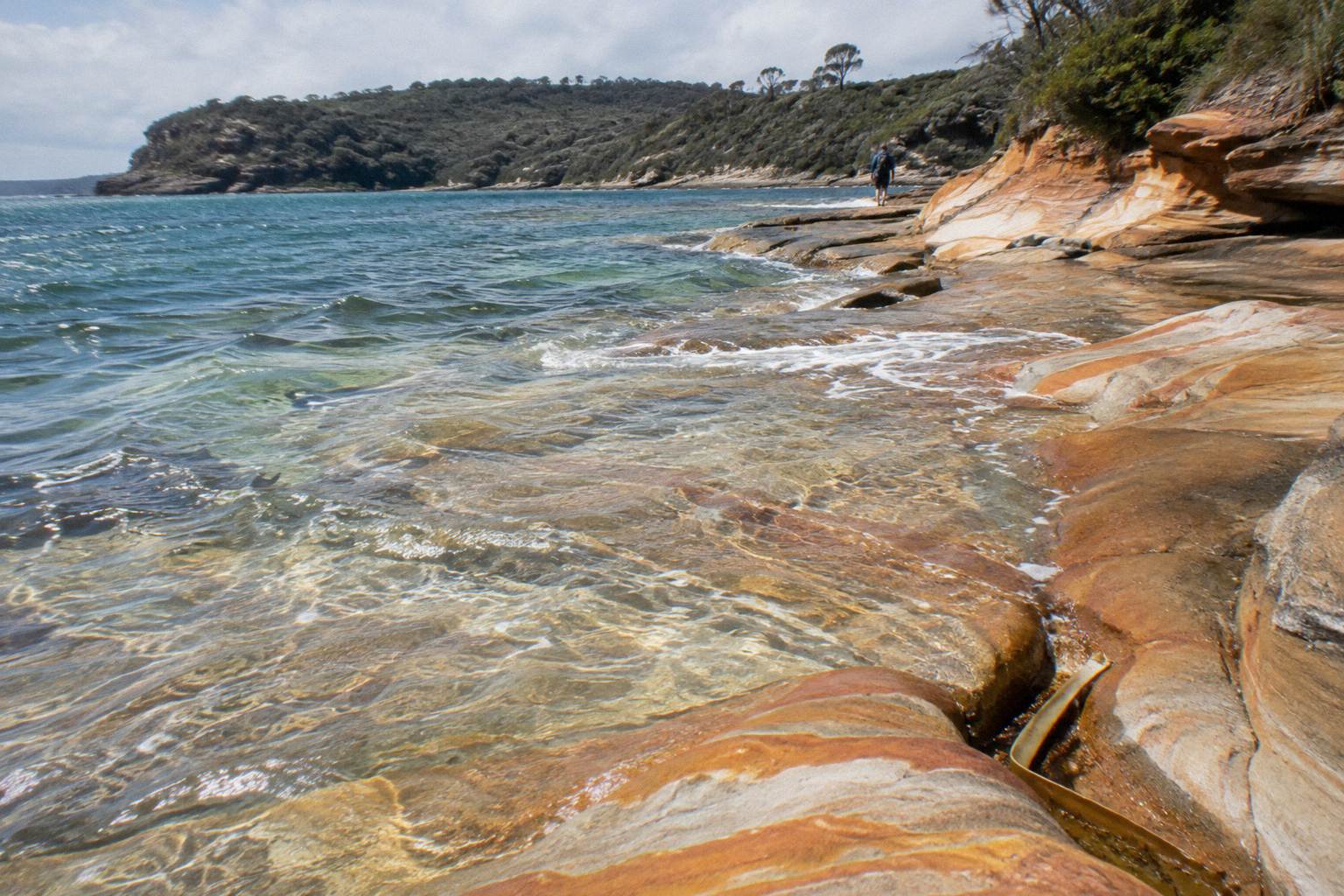
Maria Island sits inside a national park declared in 1971, and the waters along its north-west coast form part of a marine reserve where fishing is banned in a no-take zone. Parks and Wildlife names two spots where snorkelling and diving genuinely happen: Darlington Bay, right where the ferry lands, and the Painted Cliffs on the island's western shore. What does not exist, anywhere in the ten bookable day trips covering the island, is a kayak tour or a snorkel tour. If your question is whether someone will hand you a paddle and a mask at Triabunna, the answer is no, and a cruise is the water-based option that is actually there to book.
That gap surprises people. The island looks, from the deck of the arriving ferry, like exactly the sort of place that should have a paddle operation: 20 km long, 115.5 square kilometres, no vehicles, a coastline of cliffs and sheltered bays. The reality is simpler. The tour range splits into cruises from Triabunna, ferry-based day trips from Hobart, one private charter and one scenic flight, and every one of those keeps you either on a boat, on your own two feet, or in a seat at altitude. Water access for independent travellers means shore snorkelling with your own gear, or nothing.
So the honest shape of the decision, to borrow a word the site rules make hard to use, comes down to this: do you want to swim, or do you want to see? Swimming is free, self-organised and limited to two named locations, with all the caveats that come with unpatrolled beaches and cold Tasmanian water. Seeing is what the cruise products do, and they do it well, with one of them, the Ile Des Phoques Boat Day Trip, built specifically around the marine life that snorkellers dream about: thousands of Australian fur seals hauled out on the rocks of a small offshore island, with dolphins and, in season, migrating whales as possibilities the operator describes carefully as varying daily.
What The Marine Reserve Rules Actually Allow
The marine reserve along the north-west coast is a no-take zone: fishing is not allowed there, and you may not collect shells or any living or dead material. Snorkelling and diving are explicitly listed as activities at Darlington Bay and the Painted Cliffs, so swimming with a mask is permitted in those spots. Paddling a kayak is not addressed as a bookable activity by any operator covering the island, and no trip in the range offers one.
Parks and Wildlife's own pages for the national park set the frame. The marine reserve exists to protect what is in the water, and the rules that follow from that are strict about removal and generous about presence. You can swim, snorkel and dive in the named locations. You cannot fish in the no-take zone, and shell collecting is off the table everywhere in the reserve, a rule that catches out visitors who like a beach souvenir. The park's general wildlife rules add one more: keep 2 m from all animals and never feed them, which in the water means giving seals, fish and any passing bird their space rather than chasing them for a photo.
The practical constraints sit on top of the legal ones. Beaches on the island are unpatrolled, so any swim or snorkel is entirely your own judgment call on the day. There are no shops or cafes, so every piece of gear, every towel and every thermos of hot drink for afterwards travels with you on the ferry, within the same-day luggage allowance. Water on the island is not potable without boiling for one minute or purifying, and a few signed taps at the Darlington barbecue shelter and the Mess Hall are the only supply points, which matters more than people expect after an hour in cold salt water.
| Rule | What It Means For You |
|---|---|
| No-take zone along the north-west coast | Fishing is not allowed in the reserve; bring no rod |
| No collecting shells or living and dead material | Souvenir gathering is banned, empty shells included |
| Snorkelling and diving | Possible at Darlington Bay and the Painted Cliffs |
| Wildlife distance | Keep 2 m from all animals, never feed anything |
| Unpatrolled beaches | No flags, no lifeguards, your own assessment only |
| No shops or cafes | All food, water and gear carried in, rubbish carried out |
One point worth dwelling on, because it shapes the whole page: none of this adds up to a guided water product. The rules permit you to be in the water; they do not create anyone to take you there. The gap between "allowed" and "bookable" is exactly where the cruise options live.
Where Shore Snorkelling Actually Works
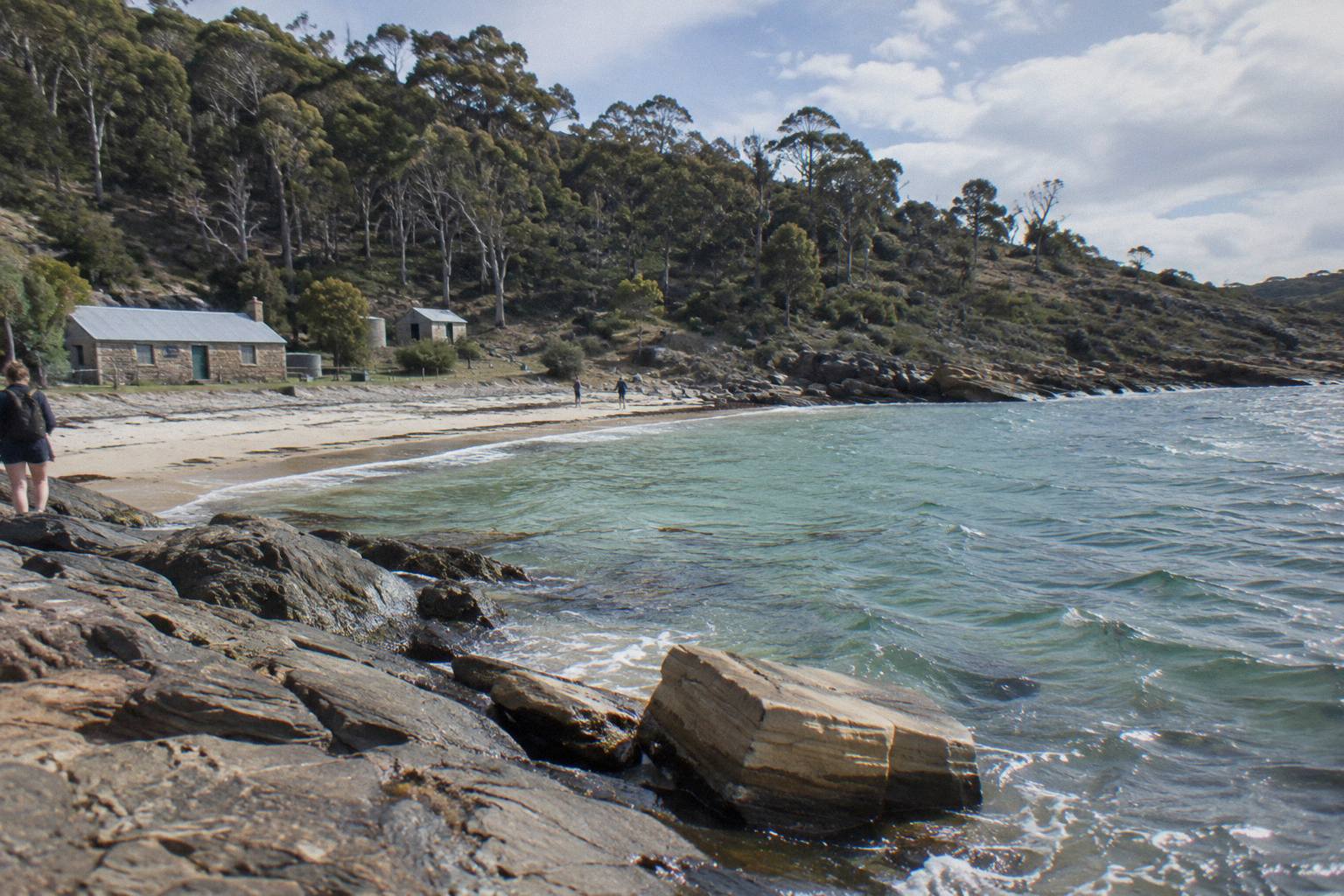
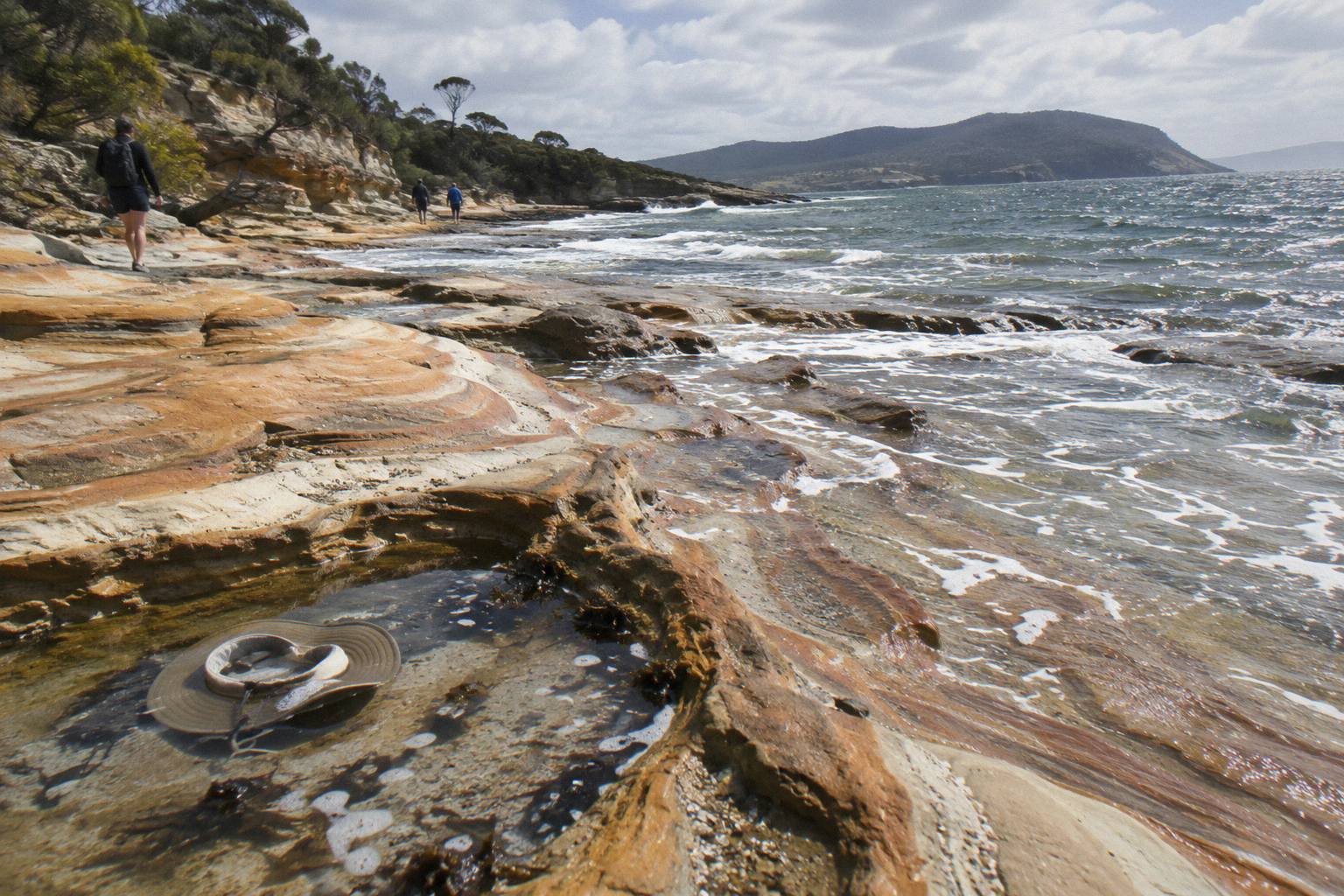
Two locations carry the official mention: Darlington Bay, the sheltered water where the ferry berths, and the Painted Cliffs, the patterned sandstone formations on the island's west coast reached by a 4.3 km return Grade 3 walk. Darlington Bay is the easy one, steps from where you land; the Painted Cliffs are the scenic one, but the rock platform there is only safe within about two hours of low tide and in calm seas.
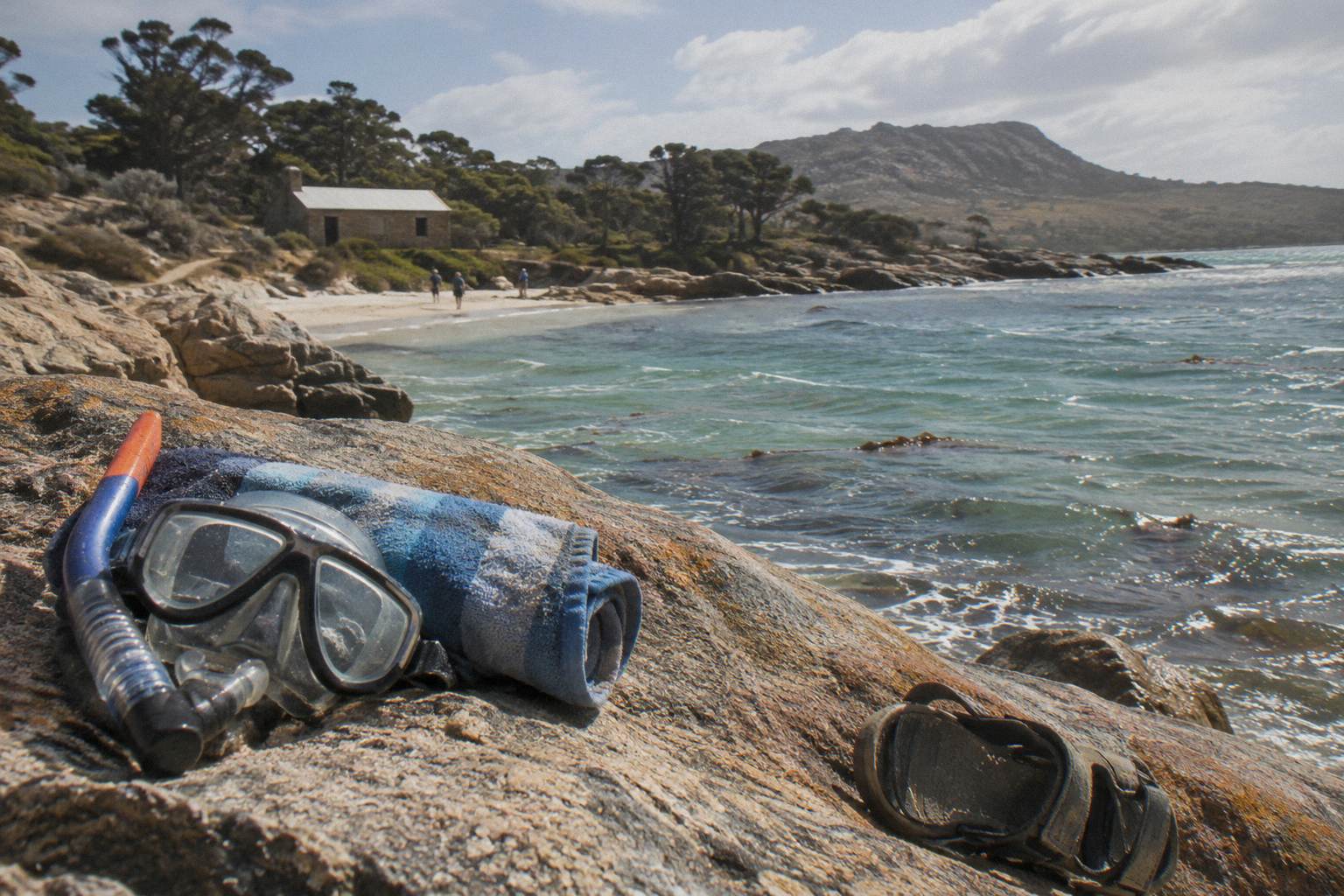
Darlington Bay wins on logistics and loses a little on drama. You step off the ferry, and the water is right there. The bay is sheltered by the jetty and the headland, which makes it the sensible choice for a first snorkel or for anyone travelling with family who want to swim while you explore. Because it faces the settlement, help, in the informal sense of other people being around, is closer than anywhere else on the island, though the unpatrolled-beach reality does not change. Snorkellers should treat the marine reserve rules as applying in full here: look, do not take.
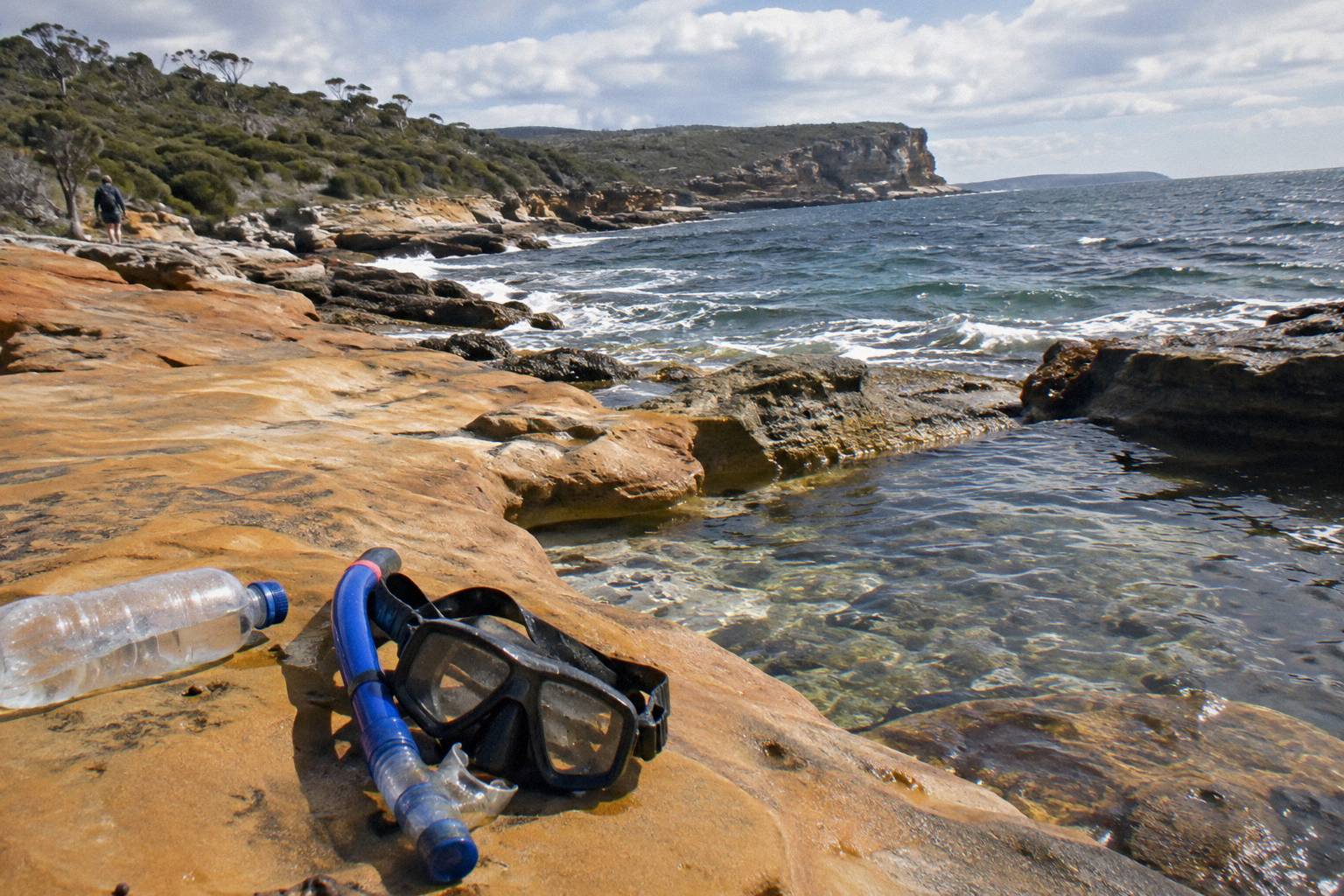
The Painted Cliffs are the spot people photograph, and snorkelling beside them pairs geology with water. The walk in is 4.3 km return, graded 3, taking one to two hours on foot, and the cliffs themselves cannot be climbed or reached from above, so the water is the only close view of the patterned base. Parks is blunt about the conditions: the rock platform is safest within two hours of low tide, and only in calm seas. Tides do not care about the ferry timetable, so a snorkel here needs a day when your sailing times and the tide line up, checked before you commit. Also worth knowing: cycling the track is possible for part of the approach if you have hired a bike, but bikes are banned from walking tracks, so the final stretch is on foot regardless.
Neither spot involves gear hire. There is no shop, no kiosk, no rental counter on the island, and no operator in the tour range supplying masks, fins or wetsuits. Everything you swim in, you carry from the mainland within your ferry luggage allowance, and in Tasmanian water a wetsuit is not a soft suggestion, it is the difference between twenty comfortable minutes and five painful ones. Water temperatures here reward preparation.
For swimmers rather than snorkellers, the same two bays do the job, with the same unpatrolled caveat. What neither bay offers is the offshore element: the seals, the deeper reefs, the islands further out. That is boat territory, and the cruise and seals guide covers how those trips handle the marine wildlife you will not reach from shore.
Why There Is No Kayak Trip To Book
None of the ten bookable trips involving Maria Island includes kayaking, and no operator in that range advertises kayak hire or a paddle tour. The water-based products that do exist are boat cruises from Triabunna, running on the operators' own vessels rather than the public ferry. Anyone arriving hoping to paddle needs to treat the island as a walk-and-swim destination instead, or look at the mainland coastline elsewhere.
The reasons are not mysterious. Maria Island is a national park with no vehicle access and no resident commercial sector beyond the ferry operator's booking centre at Triabunna; the only residents, in fact, are rangers. A kayak operation needs gear storage, transport, guides and a recovery plan, and the island's infrastructure, currently mid-upgrade for water, wastewater and electrical works at Darlington, supports day visitors rather than equipment fleets. The park's rules also ban bikes from walking tracks and tightly control what enters the reserve, an approach that extends naturally to watercraft management.
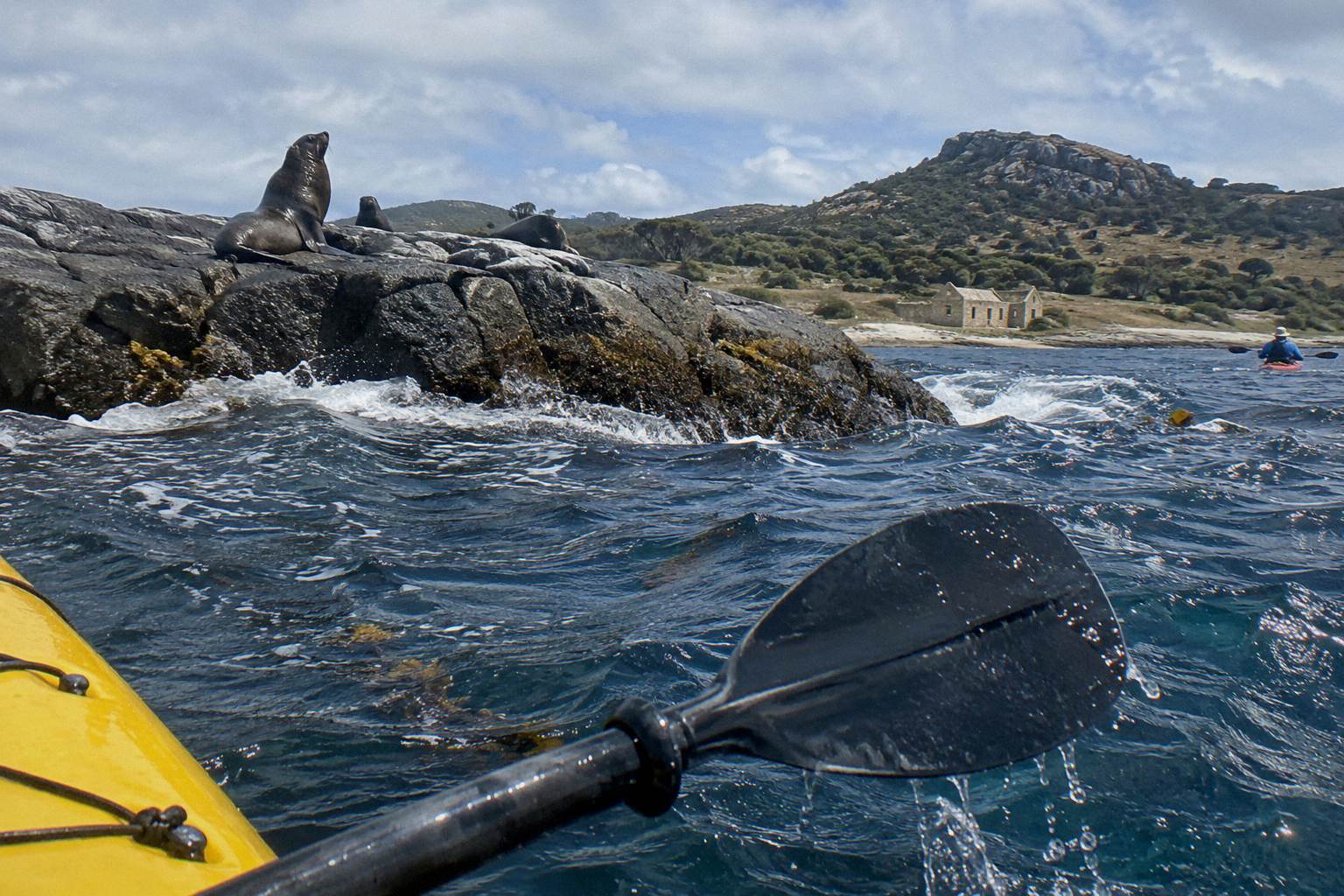
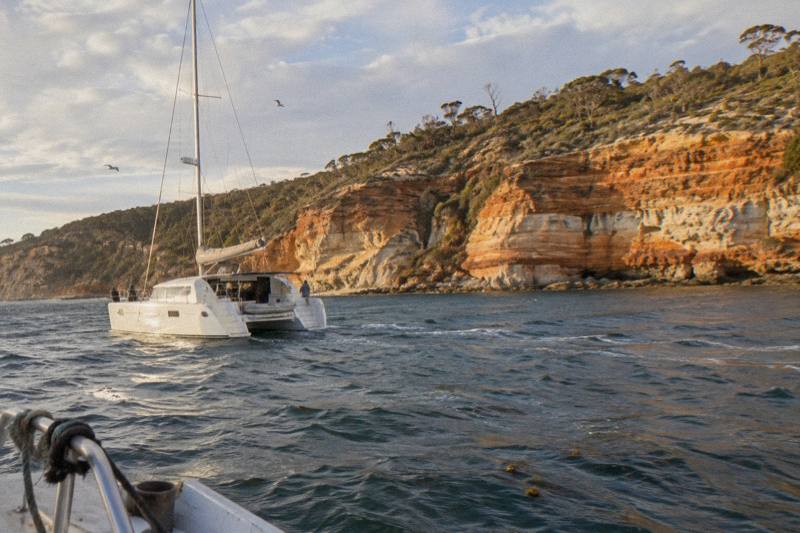
What the range does instead is put you on enclosed boats. Maria Island Cruises runs the Cruise And Walk From Hobart, the Cruise And Walk From Triabunna, the Ile Des Phoques Boat Day Trip and the 3.5-Hour Scenic Cruise; Pennicott Wilderness Journeys, part of the same family, runs the Cruise And Guided Walk With Picnic Lunch from Triabunna These are format variants from one operator family, not rivals, and they differ in length, starting point and how much time you get on the island rather than in kind. All of them keep you dry, seated and moving, which for many visitors is precisely the point: the water is cold, the coastline is long, and a boat covers in an hour what a paddle could not cover in a day.
For a visitor whose heart was set on paddling, the honest reframe is geographic rather than commercial. Tasmania's east coast has plenty of kayaking elsewhere; Maria Island's particular combination, convict heritage, wildlife density and a marine reserve you can swim into from shore, is what it offers instead. The visitor who snorkels Darlington Bay in the morning and takes a cruise past the seals in the afternoon has, in effect, built the water day that no single product sells.
How The Water-Based Trips Compare
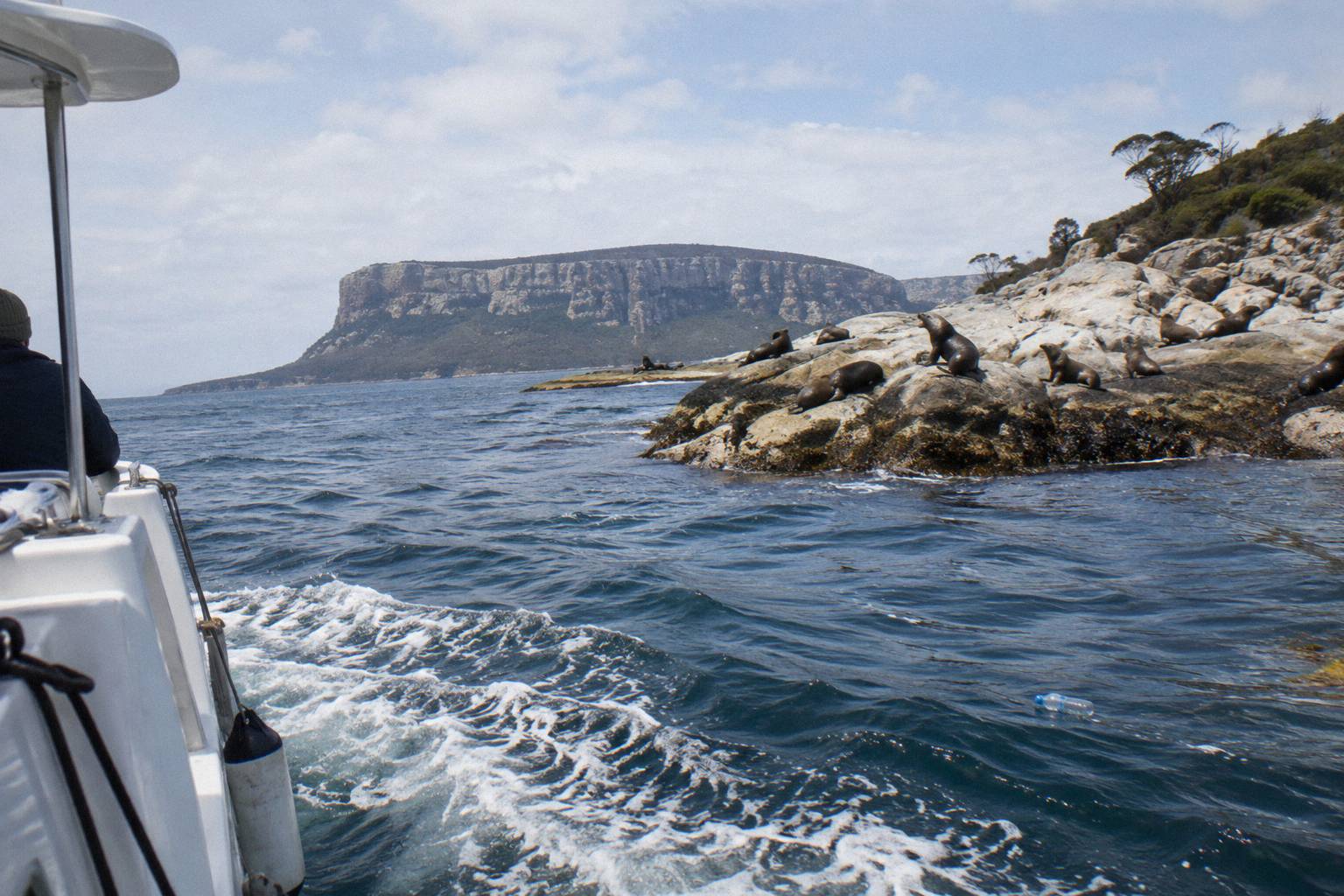
The Ile Des Phoques Boat Day Trip is the marine-life pick, running about 7.5 hours from Triabunna and centered on the seal colony, rated 4.9 from 50+ reviews; the Cruise And Walk splits its 6 to 8 hours between boat and island, rated 5.0 from 230+ reviews, while the 3.5-Hour Scenic Cruise stays boat-only.
Comparing the three is mostly a question of what the water means to you. If it is the animals, the Ile Des Phoques trip is built around them: the operator's own description has you seeing thousands of Australian fur seals resting on the rocks and swimming in the surrounding waters at Ile des Phoques, with Rainbow Cave on the itinerary and dolphins common, and humpback and southern right whales appearing during migration. The operator is equally clear that sightings vary daily and nothing is guaranteed, which is the right way to hold every wildlife promise on this coast. Free cancellation applies, and the price for your date shows on the booking page.
If the water is transport and the island is the point, the Cruise And Walk From Triabunna does both. It starts at 21 Vicary Street with check-in around 9:30am, uses the operator's own boat rather than the public ferry, includes the landing and the park fee, and gives you roughly two hours ashore with a guided Darlington walk, departing the island around 3:15pm and back in Triabunna about 3:45pm. At 5.0 from 230+ reviews it has the deepest review pool of the boat products, no stated minimum age with infants free, and free cancellation up to 24 hours before start.
The scenic cruise is the sampler. Three and a half hours, boat only, from the Triabunna marina, roughly 10:00 to 14:00, with no landing on the island stated in its description, so it should never be bought as a walk substitute. It suits a traveller connecting through the east coast, or someone who wants the coastline from the water while keeping the afternoon free. The ferry from Triabunna guide covers the independent alternative, the public ferry crossing of about 30 to 45 minutes, for those who would rather spend their day ashore.
| Trip | Length And Start | Water Time Includes | Rating |
|---|---|---|---|
| Ile Des Phoques Boat Day Trip | About 7.5 hours, 21 Vicary Street Triabunna | Seals at Ile des Phoques, Rainbow Cave, morning tea, drinks, salad-bowl lunch | 4.9 from 50+ reviews |
| Cruise And Walk From Triabunna | About 6 to 8 hours, check-in around 9:30am | Operator's own cruise, landing, park fee, guided Darlington walk, about 2 hours ashore | 5.0 from 230+ reviews |
| 3.5-Hour Scenic Cruise | About 3.5 hours, roughly 10:00 to 14:00 | Boat only from Triabunna marina, no island landing stated | No rating figure available |
A note on the table's gaps: the scenic cruise carries no rating figure and no cancellation figure in its product details, so neither is guessed here. Every trip's price for a chosen date shows on its own booking page. Check availability for the Ile Des Phoques trip here: Check availability.
What A Cruise Gives You That A Shore Swim Cannot
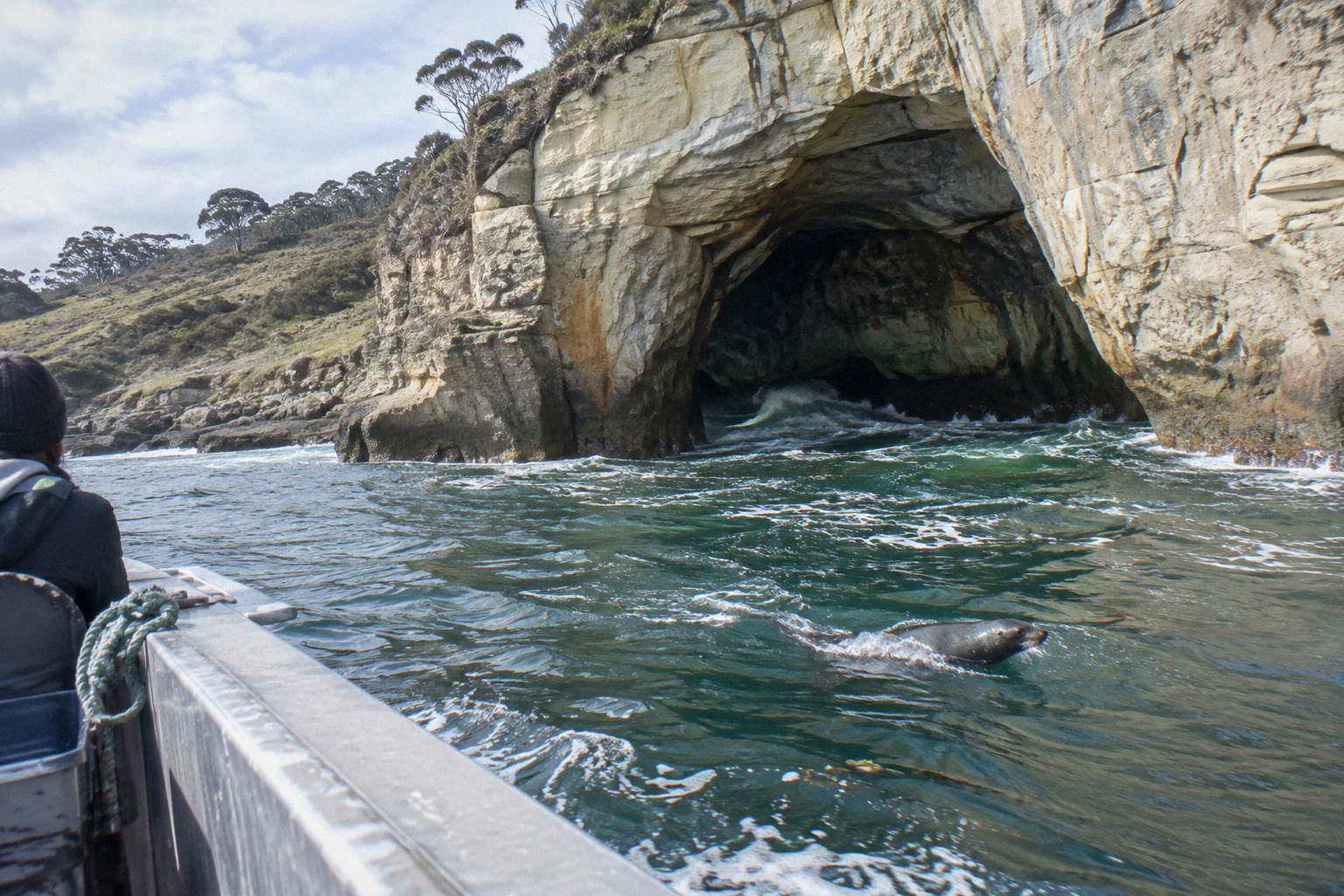
Distance and scale. From shore you can reach Darlington Bay and, tide permitting, the Painted Cliffs; from a boat you reach Ile des Phoques and its seals, the outer coastline, and the whale migration lanes, none of which are swimmaable or paddlable in a day visit. The boat also carries lunch, morning tea, an enclosed cabin and a toilet, which a swim bag does not.
The seal colony is the clearest example. Ile des Phoques sits out in the water beyond day-trip swimming range, and the operator's thousands-of-seals description belongs entirely to the boat products that go there. Snorkellers who want seals in the water face the same reality divers do: the animals are at an offshore island, and the only scheduled way to be near them is on a vessel. The same logic covers whales. Parks records southern right whales heading north from June to September and south from September to late October, and humpbacks northward from May to July and south from September; a swimmer shares a bay with whatever passes close, while a boat spends hours in the crossing lanes.
The comfort gap matters more than visitors expect. The cruise boats are enclosed, with onboard toilets, which sounds like a minor detail until you have spent a full day on exposed Tasmanian water. The operator runs daily except Christmas Day, with no age or height restrictions stated on the cruise products, and free parking at the Triabunna booking centre. Compare that with a shore snorkel: no facilities beyond taps and barbecue shelters, no shops, everything carried in and out, and a wetsuit doing serious thermal work in water that stays cool even in January, when the mean daily maximum at the island's weather station reaches 21.5 degrees.
There is also the wildlife-adjacent payoff on the crossing itself. Dolphins are described by the operator as common, and the wildlife beyond wombats blog post covers the wider cast, from Cape Barren geese to the forty-spotted pardalote, that makes the island a naturalist's destination rather than purely a swimmer's one. None of it is promised, on a boat or off; the operator's phrase, sightings vary daily, applies to everything with a heartbeat.
A Greedy Hybrid Day, And Other Formats
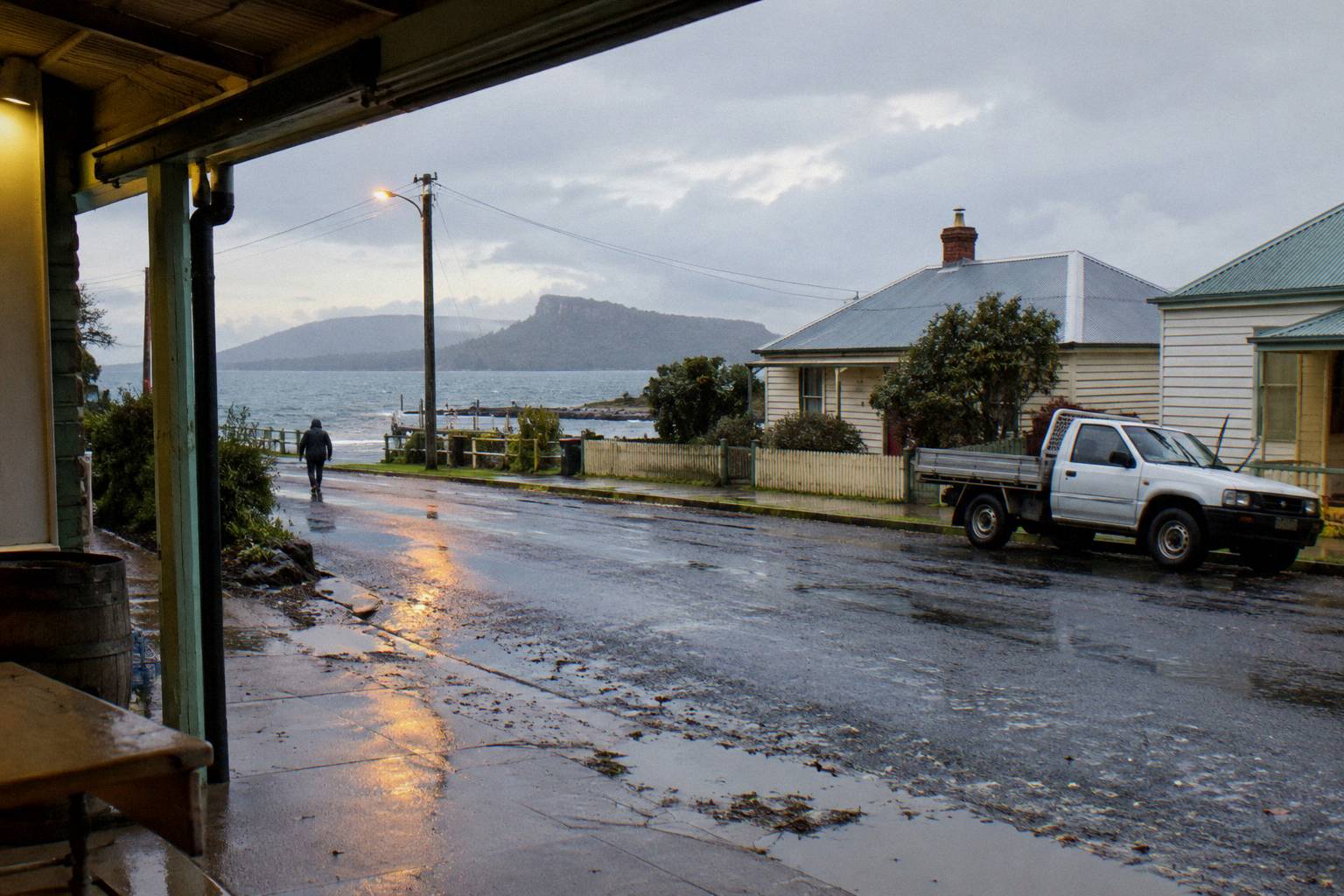
Yes, you can have it both ways: the strongest play is to snorkel Darlington Bay around midday and book a separate boat day for the seals, or the reverse, though the Cruise And Guided Walk With Picnic Lunch does the hybrid in one product, running roughly 10:00 to 3:45pm from Triabunna with a ploughman's-style picnic lunch, free cancellation up to 24 hours ahead, and a 4.9 rating from 140 reviews.
That trip deserves a closer look from exactly this reader. It is the one product that hands you both halves of the island day without you having to build it: the boat journey on the operator's own vessel, the guided walk ashore, and the lunch that a self-catered ferry day makes you carry yourself. Pennicott Wilderness Journeys operates it within the Maria Island Cruises family, and it starts at 21 Vicary Street in Triabunna, so you drive the 86 km from Hobart, about 1 h 15 min by road. For a snorkeller, it also frees luggage space: no picnic means more room for the wetsuit and mask.
Further out on the format spectrum sit two options that touch water only glancingly. The Wineglass Bay Scenic Flight, 4.7 from 50+ reviews, spends about 3 hours from Cambridge Aerodrome covering Wineglass Bay and then landing on Maria Island itself, no ferry involved, though the park pass is not included in that one. And the Private Charter From Hobart takes a group of up to 6 for about 8 hours with about 4 on the island, door-to-door with ferry and park fees included, on terms that are non-refundable, a detail worth weighing before committing a group's budget. Neither replaces a paddle or a snorkel, but both refract the same appetite, wanting the coast from a different angle, through a different vehicle.
What Trips People Up When Planning Time On The Water
Four mistakes recur. Visitors assume gear can be hired on the island when nothing is for sale there beyond the ferry's refreshments, plan a Painted Cliffs swim without checking the tide, buy the 3.5-Hour Scenic Cruise expecting an island walk when no landing is part of it, and treat the public ferry as a wildlife cruise when it is really just a 30 to 45 minute crossing.
The gear assumption is the most common. Visitors picture a beach town and arrive to find a historic settlement with no shops, no cafes and no rental counter of any kind; the Coffee Palace, despite the name, is a museum. Whatever you swim in, you packed at home and carried on the ferry within the same-day allowance. The same surprise catches swimmers on water: the island's supply taps are limited and the water needs boiling or purifying, so hydration after a cold swim is something you also carry.
The tide mistake bites itinerary-makers. The Painted Cliffs platform is genuinely unsafe outside the low-tide window, and Parks says so plainly, adding that the cliffs cannot be climbed or accessed from above. A day built around swimming there needs the tide table checked against the ferry timetable before booking anything, because the same-day return structure leaves limited flexibility. Calm seas are the second condition, and they are a judgment call on the morning, not a booking guarantee.
The scenic-cruise confusion is a purchasing error rather than a safety one. Its description involves no island landing, so a visitor who wants to stand on Maria Island, walk to the cliffs or snorkel Darlington Bay needs a different product or the ferry. And the ferry itself, well covered in the question of how long the crossing takes, is transport: reliable, bookable, essential, but not a substitute for the seal-colony experience that the dedicated boats provide. As one traveller's paraphrased question puts it, is there a Maria Island kayak option at all? There is not, and knowing that early is what turns a frustrated search into a good booking.
The official park pages carry the marine reserve rules and the walking details verbatim: Parks and Wildlife's Maria Island National Park guide. For the boat products, timings and the seal-colony description come from the cruise operator's own site, and booking conditions show on each booking page.
Common Questions About Kayaking And Snorkelling On Maria Island
Can You Kayak Or Snorkel Around Maria Island, Or Is A Cruise Easier?
Snorkelling is possible from shore at Darlington Bay and the Painted Cliffs with your own gear. No kayak or snorkel trip is bookable among the ten tours covering the island, so a cruise is the only guided way onto the water, and for most visitors the easier one.
Is There A Maria Island Kayak Tour At All?
No. None of the bookable trips includes kayaking, and no operator in that range offers kayak hire or a paddle product. The water-based options are boat cruises from Triabunna, run on the operators' own vessels.
Can You Hire Snorkel Gear On Maria Island?
No. The island has no shops or cafes of any kind, and no rental operation exists there. Every item you swim in, including wetsuit, mask and towel, travels with you on the ferry within your luggage allowance.
Where Are The Best Snorkelling Spots?
Parks and Wildlife names two: Darlington Bay, where the ferry berths, and the Painted Cliffs, reached by a 4.3 km return Grade 3 walk. The Painted Cliffs rock platform is only safe within about two hours of low tide and in calm seas, and the cliffs cannot be climbed or accessed from above.
Are The Beaches Safe For Swimming?
Beaches on the island are unpatrolled, with no lifeguards or flags, so every swim is your own assessment. The marine reserve also bans collecting shells or any living or dead material, and fishing is not allowed in the no-take zone along the north-west coast.
Which Trip Gets You Closest To The Seals?
The Ile Des Phoques Boat Day Trip, about 7.5 hours from Triabunna, is built around the seal colony, with the operator describing thousands of Australian fur seals on the rocks and in the surrounding water. It rates 4.9 from 50+ reviews, includes morning tea, drinks and a salad-bowl lunch, and sightings vary daily with nothing guaranteed.