Is Maria Island In Tasmania Worth Visiting For A Day Trip?
A car-free national park with convict World Heritage buildings, 300-million-year-old fossils and a fur-seal colony offshore: whether a Maria Island day trip justifies the effort, and which day format fits.
For most travellers with a spare day in Tasmania, yes: Maria Island packs a car-free national park, a UNESCO-inscribed convict probation station, cliff walks with fossils about 300 million years old and a good chance of seeing wombats and kangaroos into a single, well-organised outing. It costs you a full day and some planning. There are no shops, no vehicles and no shortcuts, so the visitors who enjoy it most are the ones who choose a day format that matches their legs and their interests before they leave Hobart or Triabunna.
That last point matters more than people expect. The island is a national park of 115.5 square kilometres, declared in 1971, with its highest point, Mount Maria, at 711 metres. You cannot drive onto it, you cannot buy lunch on it, and the only access is by ferry or by one of the tours that cross to it. A day trip is absolutely worth it when the format fits, and a long grind when it does not. Everything below is built around helping you make that call with real numbers.
Start with the headline attractions, because they answer the core question on their own. The Painted Cliffs and the Fossil Cliffs are short, graded walks from the Darlington settlement, the settlement itself is part of a World Heritage listing, and the surrounding water carries seals, dolphins and, in season, whales. If none of that appeals, the island will not change your mind. If even two of them do, the travel is a small price.
For many readers the fastest route to a decision is comparing the guided options directly, so here are the three Hobart-start day trips that cover the widest ground.
What You Actually See And Do In One Day
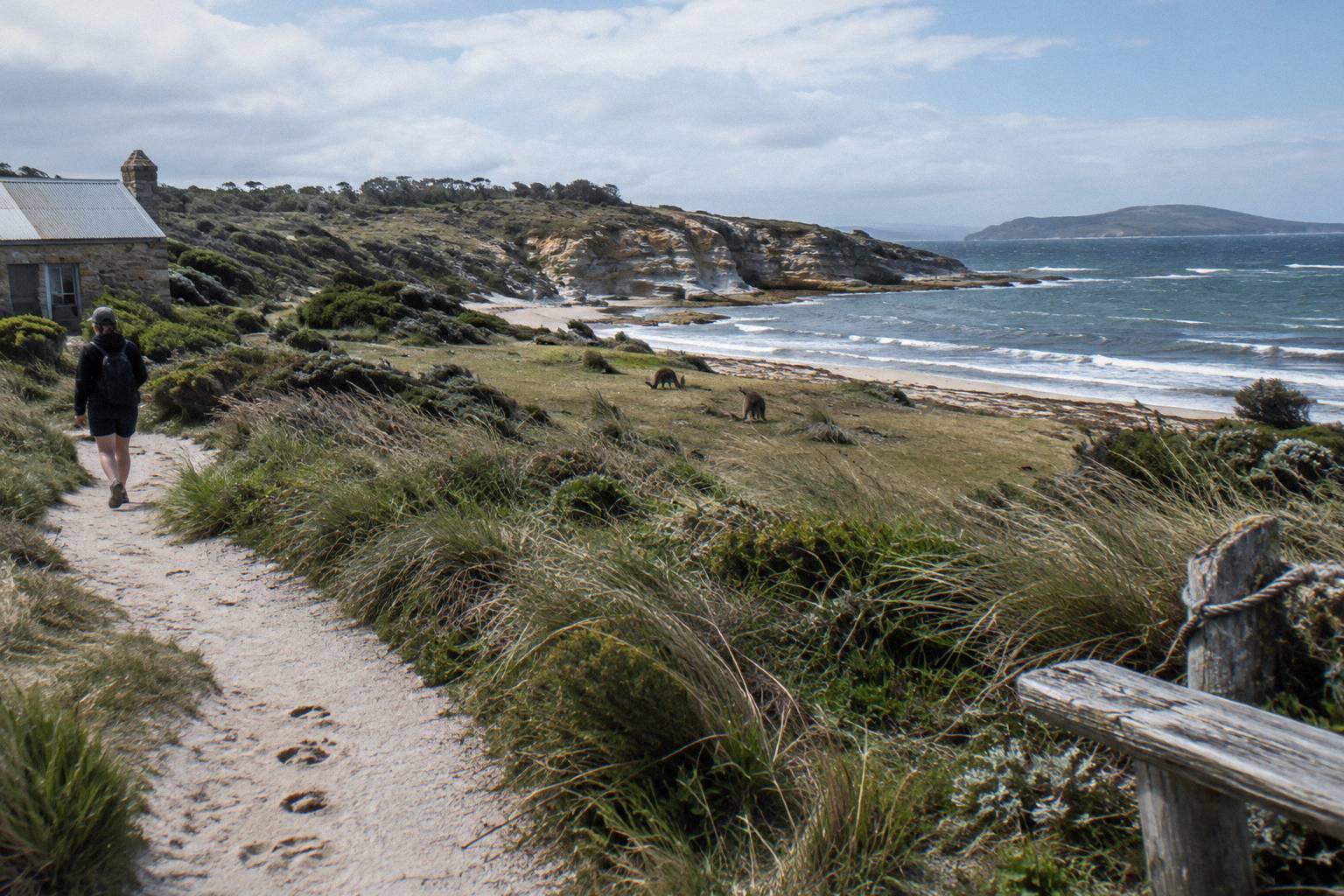
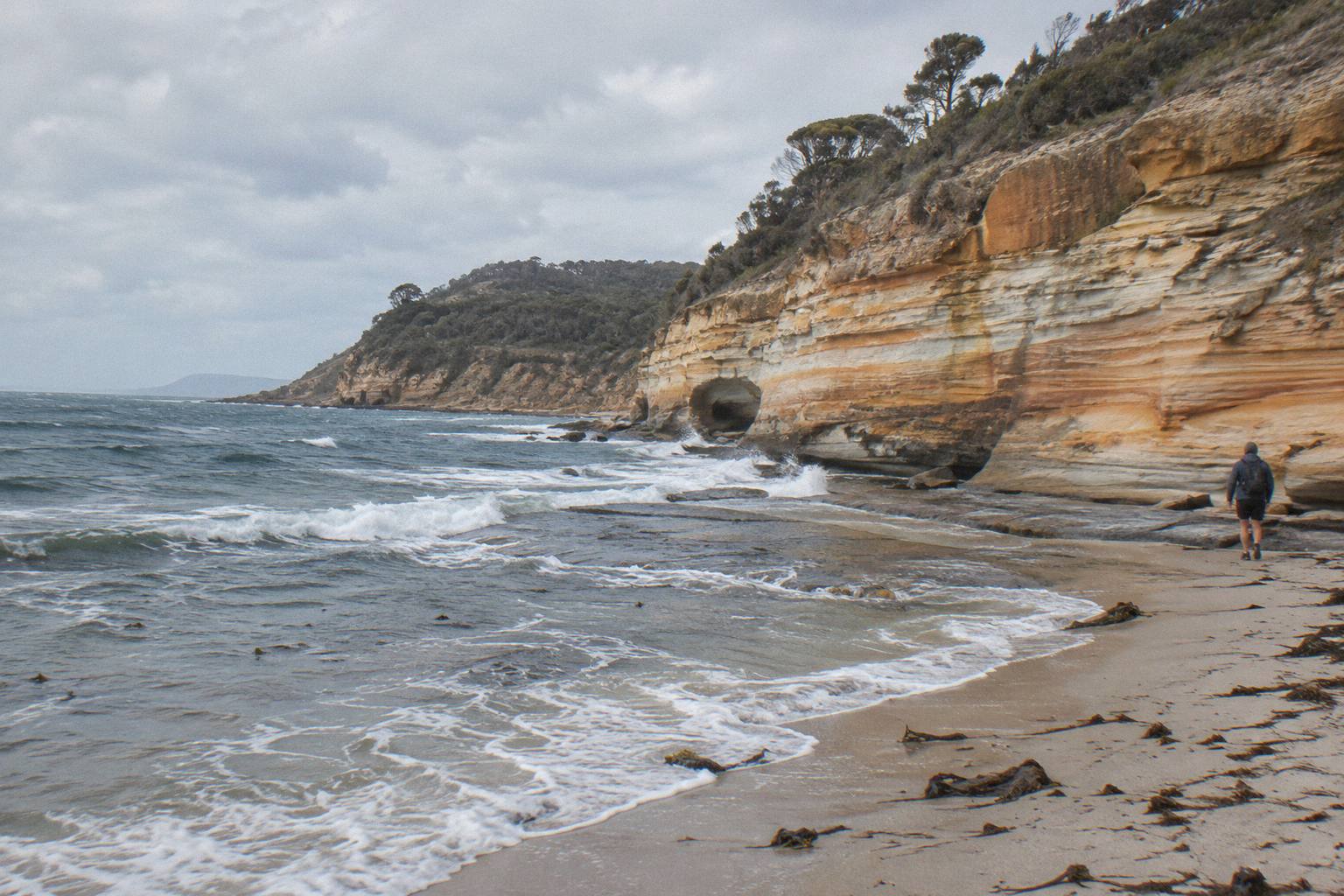
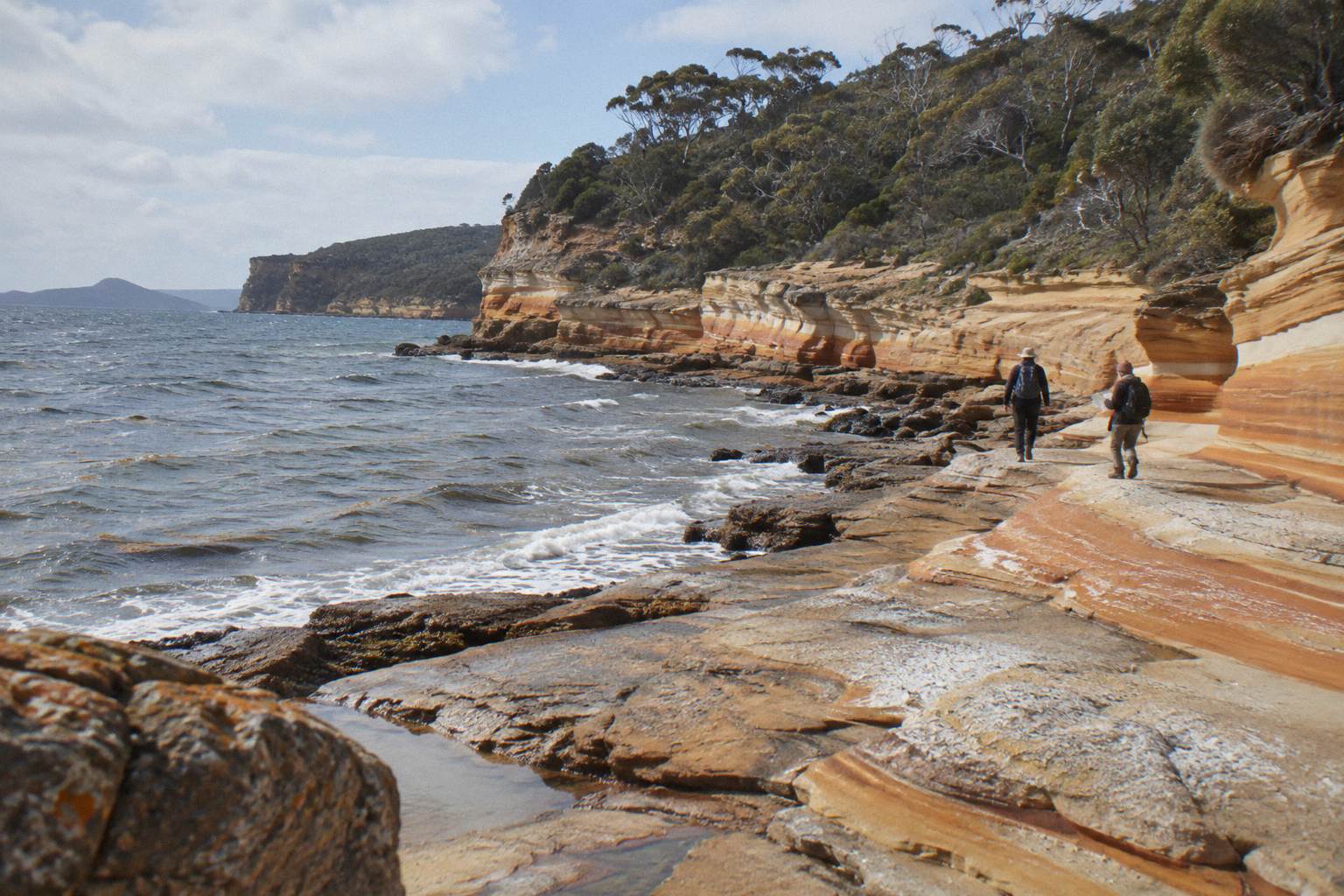
A day on Maria Island gives you three things that rarely share one destination: a walked encounter with geology, a walked encounter with convict history, and wildlife on open grass a few minutes from the jetty, and all three sit within easy reach of the Darlington arrival point. The Painted Cliffs lie 4.3 kilometres return from Darlington, a Grade 3 walk of one to two hours. The Fossil Cliffs circuit is 4.5 kilometres, Grade 3, one to 2.5 hours, with marine fossils about 300 million years old set in the rock face. The Darlington Township Walk is a gentle one-kilometre Grade 2 stroll past the convict buildings. Add all three and you have a full, varied day without touching the hard tracks.
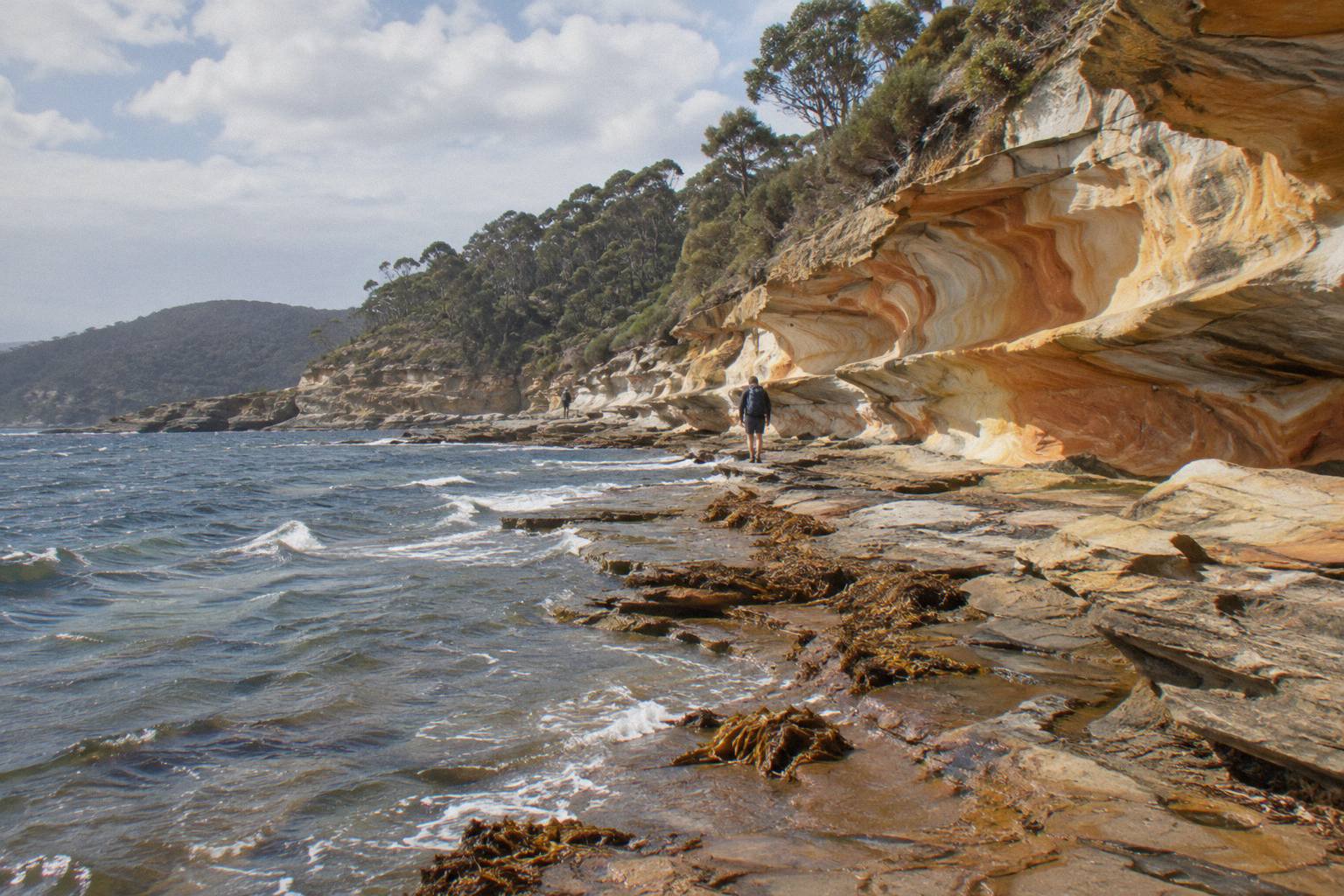
Two cautions shape the walking day. The Painted Cliffs rock platform is safest within two hours of low tide and only in calm seas, the cliffs themselves are unstable, and they cannot be climbed or reached from above, so the tide table belongs next to your ferry timetable. Beaches on the island are unpatrolled. Parks and Wildlife lists every track with its grade and time, and the full guide to walks, guided and self-guided breaks down each route; the summary is that the two cliff walks plus Darlington are comfortably achievable between a morning arrival and an afternoon departure.
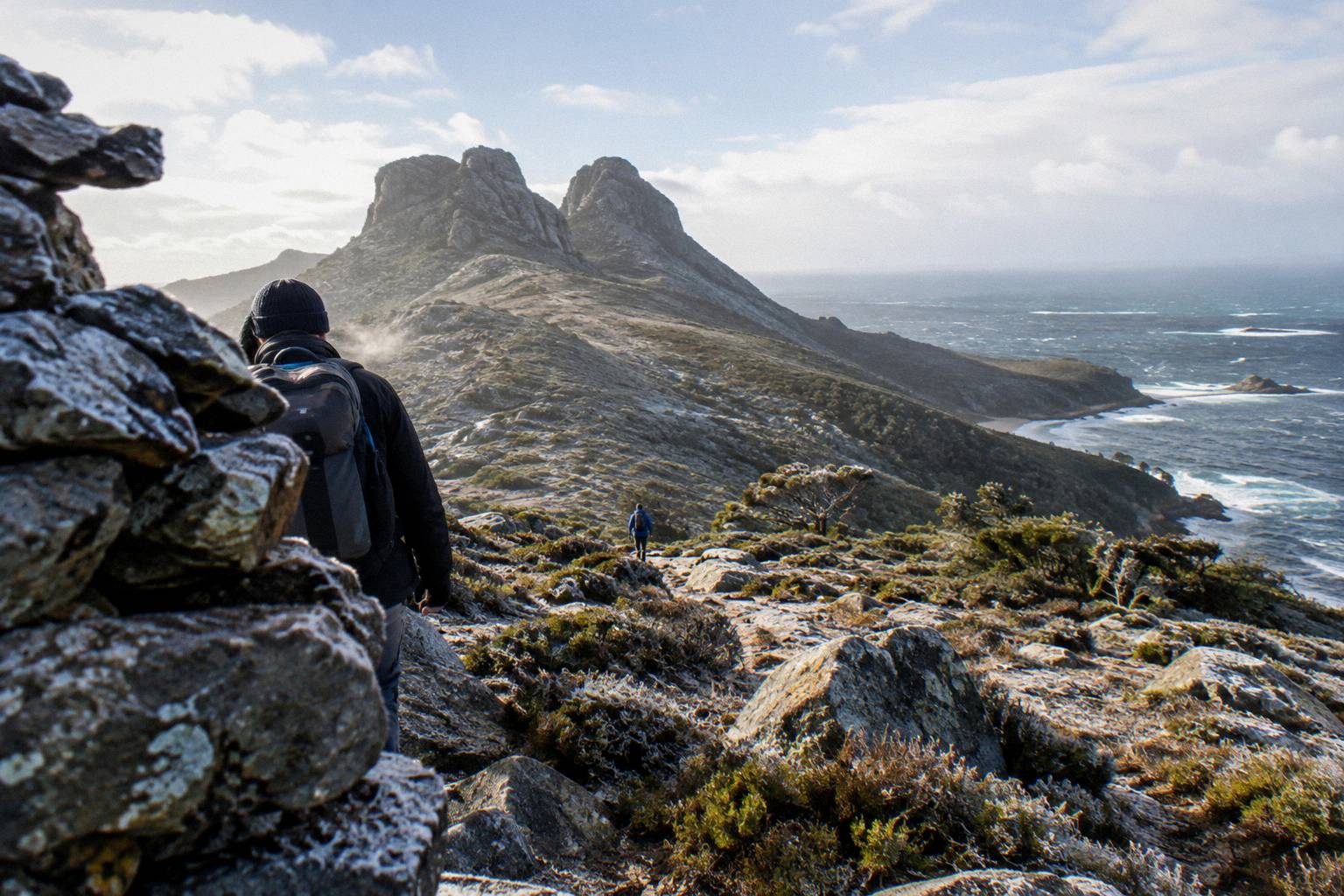
The longer tracks change the arithmetic. Bishop and Clerk is 11 kilometres return, Grade 4, four to five hours of walking with scrambling and exposure to a 620-metre summit. Mount Maria is 16 kilometres return, Grade 4, eight hours, and Parks notes it is generally not possible to complete and return on the same-day ferry, so it belongs to overnight visitors. A day tripper who wants a summit can consider Bishop and Clerk, but only with an early ferry and honest fitness, and the trade-off is giving up one or both cliff walks. That choice, in miniature, is the whole question of whether the island is worth a day: it rewards a deliberate plan far more than an ambitious one.
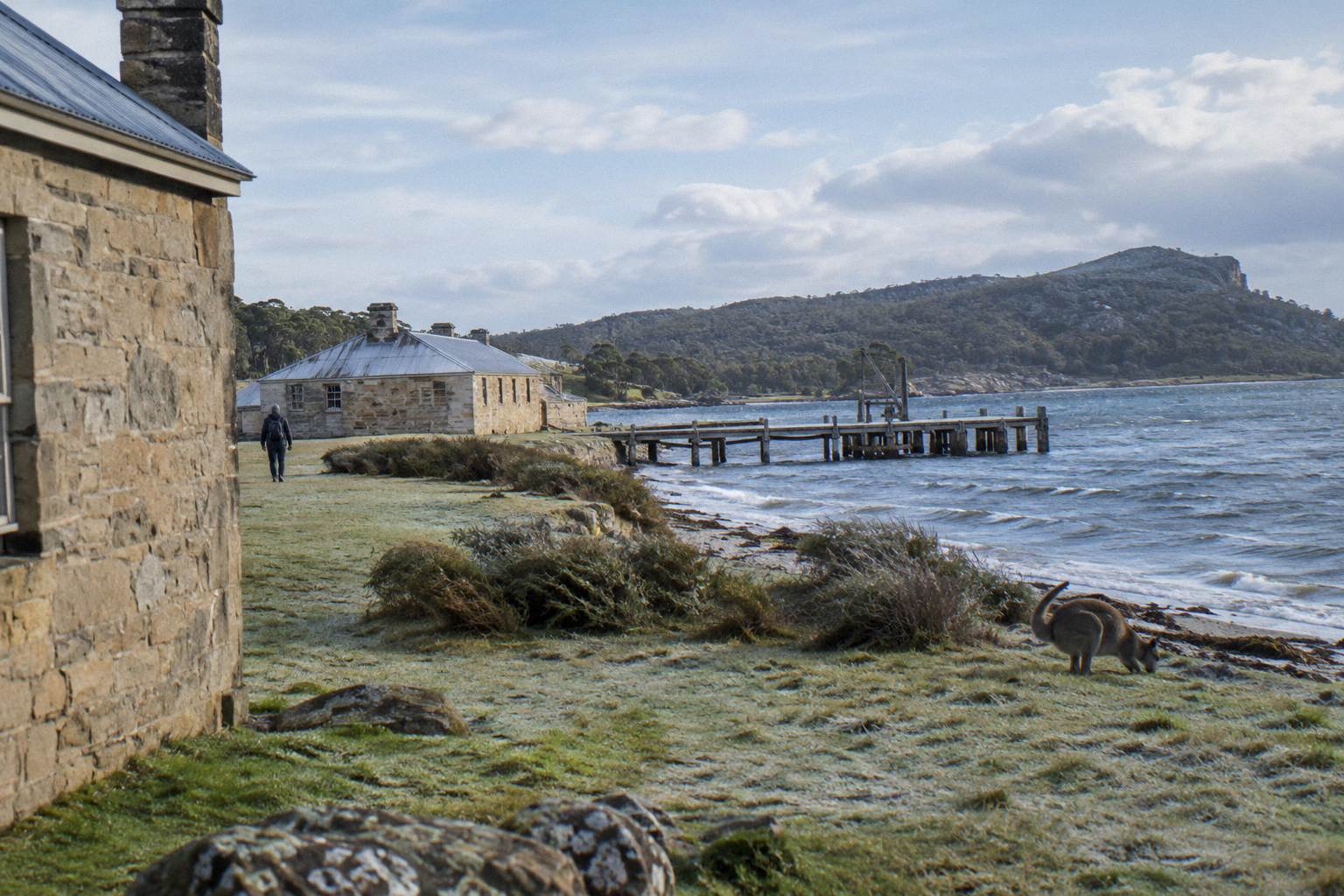
The heritage half of the answer is genuinely unusual. A penal settlement operated here from 1825, a convict probation station ran from 1842 until it was abandoned by 1850, and cement works followed under Diego Bernacchi in the late 1800s. Parks describes Darlington as the most intact example of a convict probation station in Australia, and it was inscribed on the World Heritage list in 2010 as part of the Australian Convict Sites. The Darlington convict site walk guide covers the buildings in detail. Few day trips anywhere let you stand inside a World Heritage ruin twenty minutes after stepping off a boat, and for many visitors this, not the wildlife, is the reason the day earns its keep.
Still weighing whether a guided day beats the independent ferry? The guided day versus doing it yourself comparison works through the trade-offs with the same numbers.
The usual worry at this point is the effort of getting there and the fear of missing the boat home. A guided day removes both moving parts, and one option bundles the whole loop from Hobart.
Which Day Format Fits Which Traveller
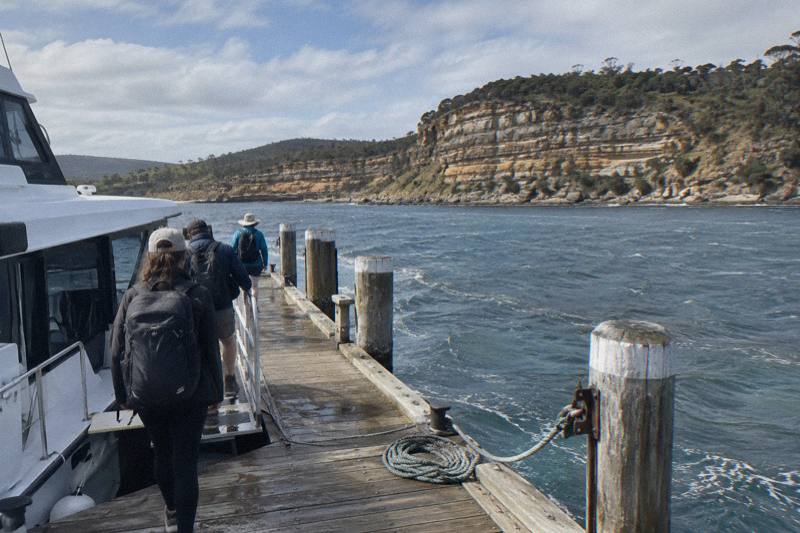
The three main day formats are an independent ferry-and-walk day, a cruise-and-walk tour, and a full guided walking day from Hobart, and each suits a clearly different traveller: the planner, the sea-lover and the car-free walker. The independent ferry day suits confident planners who want to set their own pace and carry their own food. The cruise-and-walk format suits travellers who want the sea crossing and the seals as part of the day rather than a commute. A full guided walking day from Hobart suits visitors without a car who want maximum time on foot with a small group. None of them is a ranking; they are different products for different legs and different tolerances for logistics.
The decision-name anchor for the first two formats: the Cruise And Walk From Hobart runs a 7:45am check-in at Franklin Wharf in Hobart with a bus to Triabunna, then the operator's own cruise rather than the public ferry, with park entry included, and it rates 5.0 from 630+ reviews. The Active Day Tour From Hobart, rating 4.8 from 240+ reviews, is a ferry-based day of about 10 hours with around 10 kilometres of walking at moderate fitness, back in Hobart, with ferry and park fees included. The Grand Picnic Day Walk is a small-group day of about 10 hours with a maximum of 8 guests, land and sea transport and park fees included, and its price for your date shows on the booking page.
Here is what each format covers, side by side:
| Day format | Travel | Walking | Suited to | Watch for |
|---|---|---|---|---|
| Independent ferry and walks | Your own way to Triabunna, return ferry | Your choice, self-guided | Confident planners, families with older kids | Park pass is extra, carry all food, tide times |
| Cruise And Walk From Hobart | Franklin Wharf check-in, bus, operator's own cruise | Guided Darlington walk, island time | Car-free travellers who want the sea leg | No duration printed across booking pages |
| Active Day Tour From Hobart | Hobart start, ferry crossing | About 10 km, moderate fitness | Fit walkers wanting a big day | Cancellation terms differ between booking pages: check the terms on the booking page you use |
| Grand Picnic Day Walk | Hobart hotel pickup, land and sea transport | Guided walking day, small group | Travellers wanting pace and company | Price shows on the booking page |
| Scenic flight | Hotel pickup, flight that lands on the island | Short ground time | Time-poor or aerial-view travellers | Park pass not included |
Then map that to what you personally want from the day:
| If your interest is... | The strongest reason to go | The format that serves it best |
|---|---|---|
| Convict history | The most intact probation station in Australia, World Heritage since 2010 | Any; the Darlington walk is short and central |
| Geology and fossils | Fossils about 300 million years old on a 4.5 km circuit | Independent ferry day, or a guided walking day |
| Wildlife | Wombats, kangaroos, wallabies and endemic birds on open ground | Any island-based format; early or late light helps |
| Seals and whales | Thousands of Australian fur seals at Ile des Phoques, the operator says | A cruise-based day |
| Walking challenge | Bishop and Clerk, 11 km Grade 4 to 620 m | Active Day Tour or independent with an early ferry |
| Minimum fuss from Hobart | Pickup, fees and route all handled | A guided day from the city |
One format deserves a closer look for wildlife-minded travellers. The Cruise And Guided Walk With Picnic Lunch, run by Pennicott Wilderness Journeys, departs Triabunna by boat around 10:00 and returns around 3:45pm, includes a ploughman's-style picnic lunch, and rates 4.9 from 140 reviews with free cancellation up to 24 hours before start. It folds the Darlington guided walk and the sea crossing into one ticket.
Wildlife, Seals And What A Day Realistically Delivers
Wildlife is what a day on Maria Island most reliably delivers, with seals part of that picture rather than a rare bonus, but no sighting comes with a timetable: treat the animals as the island's most dependable reward, never as a promise or a schedule. Parks lists pademelons, forester kangaroos, Bennett's wallabies, Flinders Island wombats, Cape Barren geese and Tasmanian native hens, along with 11 of the 12 Tasmanian endemic birds, including the forty-spotted pardalote, which is a genuine draw for birders. Wombats are common on the island's open ground, but common is not guaranteed, and any operator or writer who promises a sighting is overselling. Keep two metres from all wildlife and never feed it.
The marquee species carries an asterisk. Fifteen Tasmanian devils were introduced in 2012 as an insurance, captive-breeding population against devil facial tumour disease, so devils do live on the island, but a small, mostly nocturnal population on 115.5 square kilometres means a day visitor has a modest chance at best of an encounter. Treat a devil sighting as a bonus, never as the reason you buy a ticket.
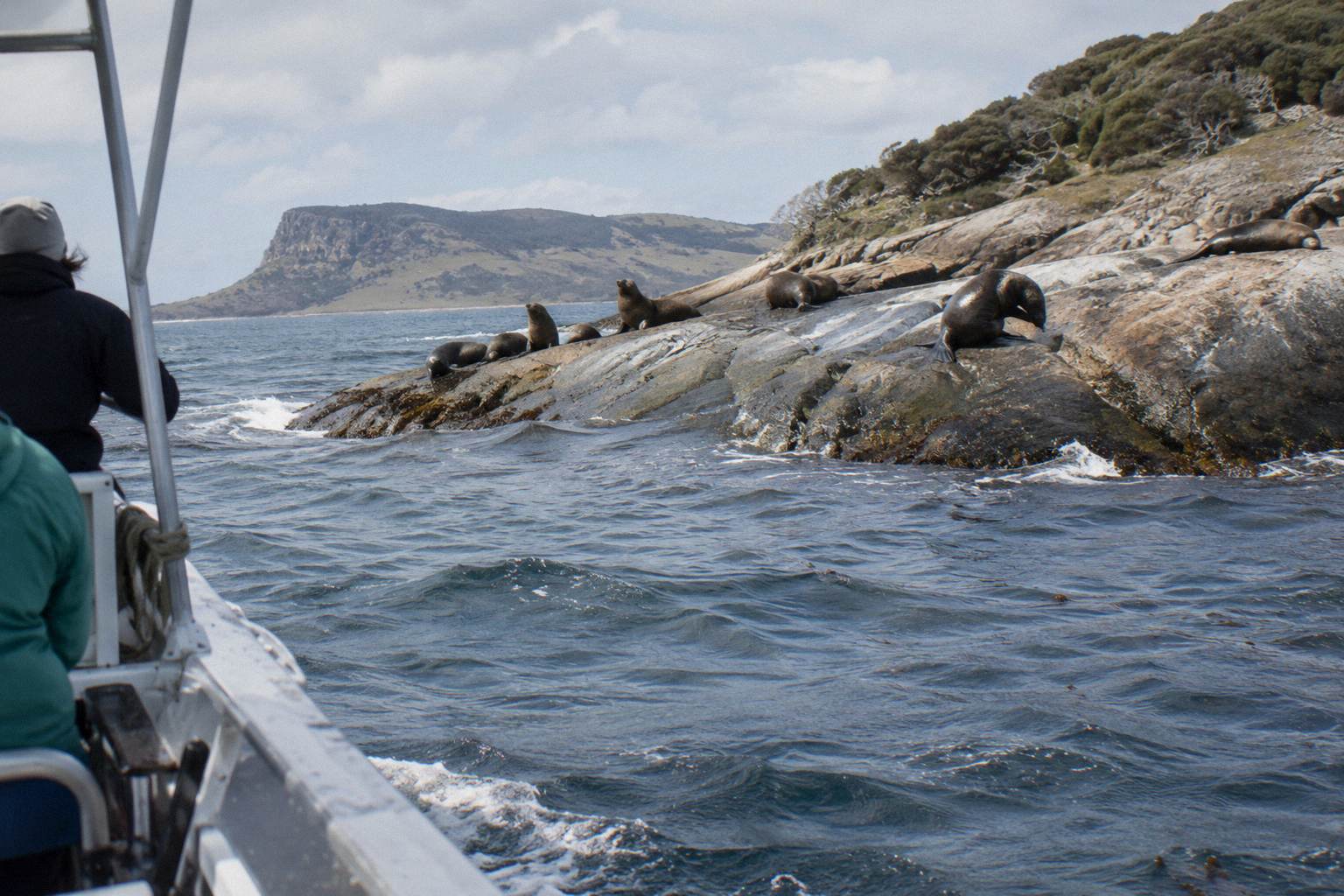
The offshore water is the stronger wildlife story for a day trip. At Ile des Phoques, the operator says you "see thousands of Australian fur seals resting on the rocks and swimming in the surrounding waters", and the same operator notes common and bottlenose dolphins, with humpback and southern right whales appearing during migration season. Parks gives the whale windows as southern right whales heading north from June to September and south from September to late October, and humpbacks northward from May to July and south from September. Sightings vary daily and nothing is guaranteed, but the chance of at least seals on a cruise-based day is the kind of fact that answers the worth-it question on its own.
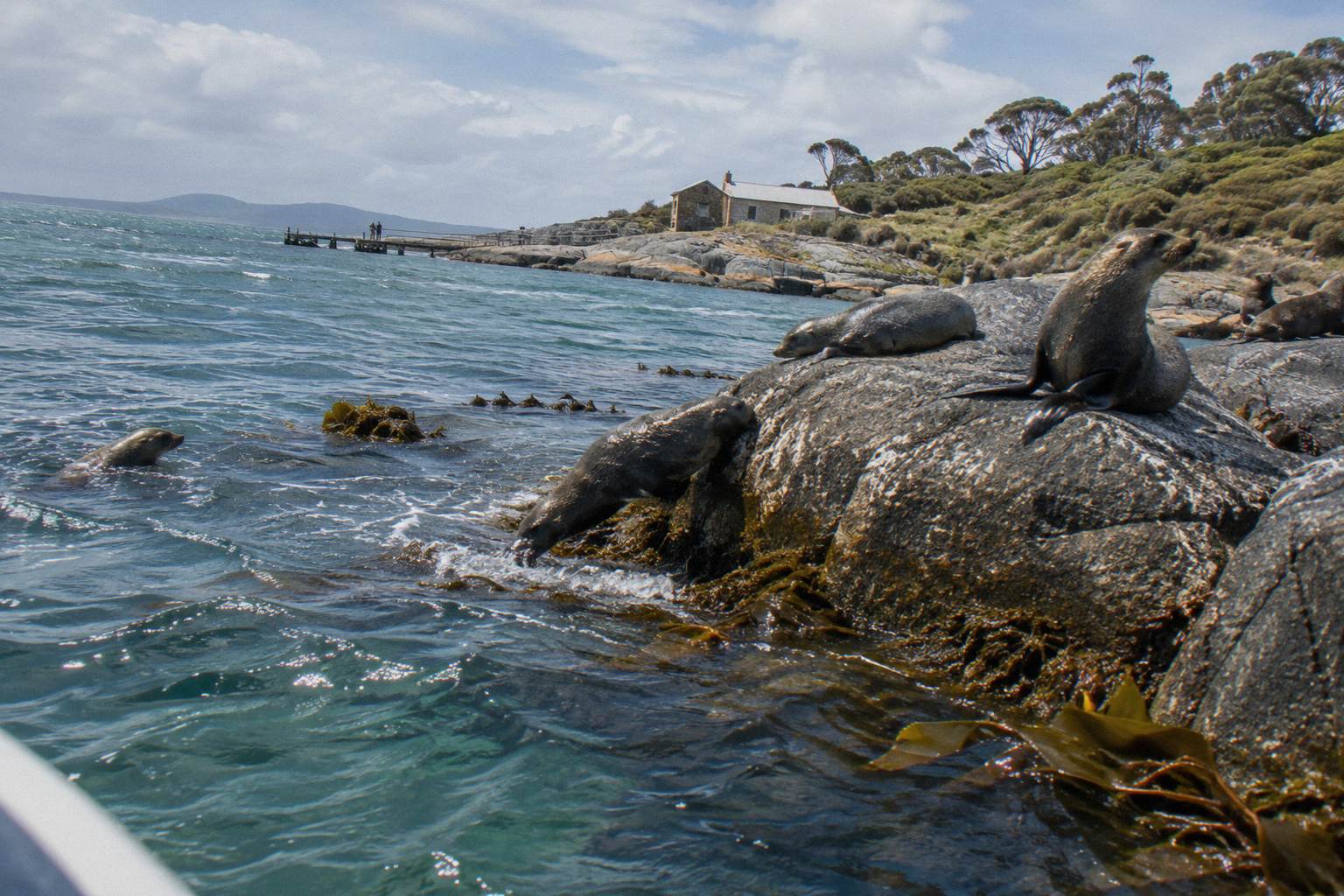
One trip builds the whole day around that water. The Ile Des Phoques Boat Day Trip runs about 7.5 hours from 21 Vicary Street, Triabunna, with morning tea, drinks and a salad-bowl lunch included, and it rates 4.9 from 50+ reviews with free cancellation.
The bird life deserves one more sentence before moving on: the Reservoir Circuit, four kilometres return and Grade 3, is noted by Parks as a good place for the forty-spotted pardalote, a small bird found in only a few places in the world. For a visitor with a passing interest in birds, that single fact can justify the island on a quiet day.
What A Day Costs And What You Need To Carry
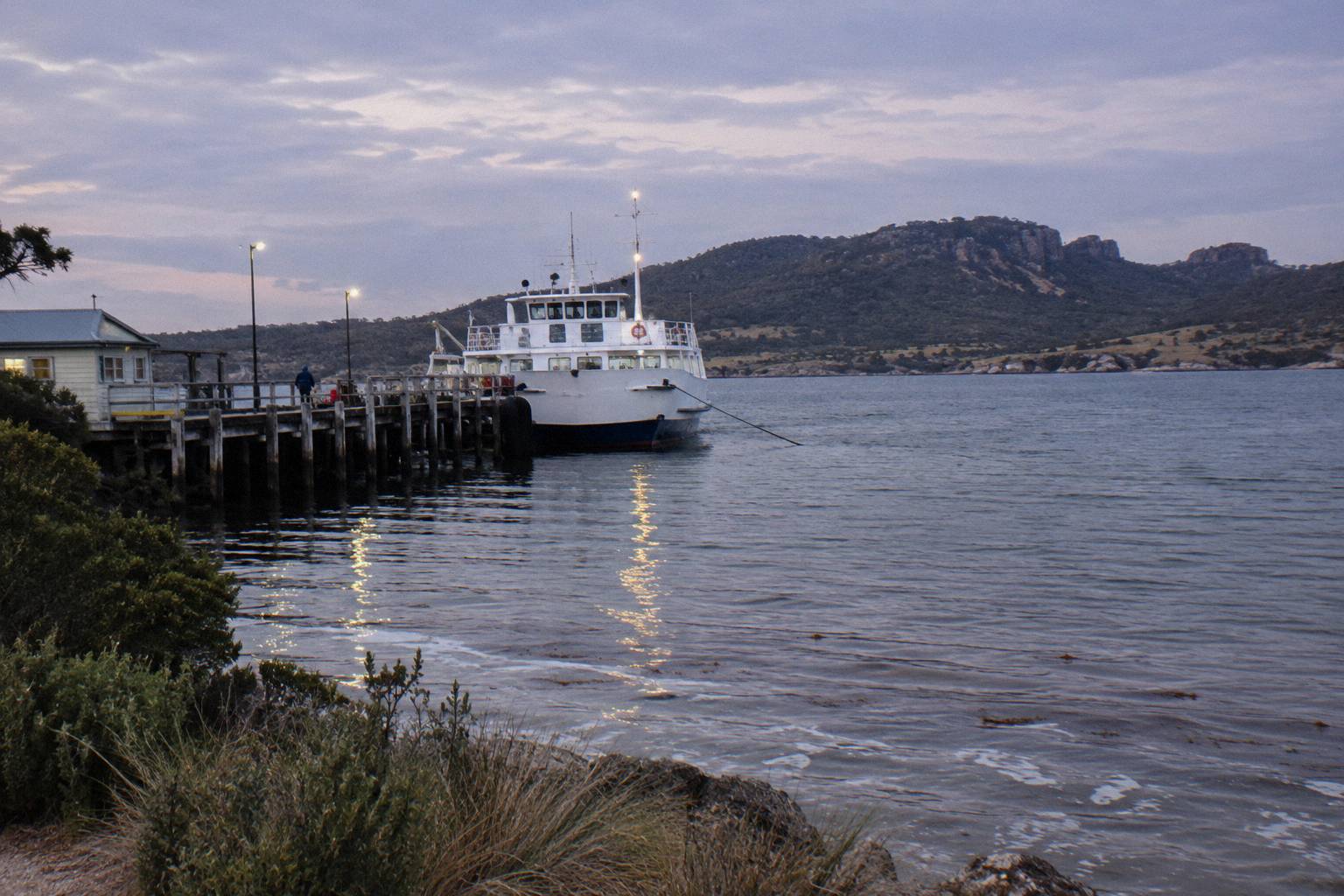
The cheapest day is the independent one: a same-day return ferry from A$59.00 per adult plus a daily park pass from A$24.55 per person arriving on foot, while guided days bundle transport, fees and guiding into one price at A$365 per adult on the operator site for the Cruise And Walk From Hobart. All amounts are Australian dollars and fares change, so treat every figure here as a from-price. Encounter Maria Island, the Parks and Wildlife Service's official ferry operator, runs the public ferry from Triabunna with a same-day return adult fare of A$59.00 and an overnight return of A$70.00, with concession, student and child rates below that; children four to 16 pay A$36.50 same-day and infants up to three travel free. A same-day ticket includes one carry-on of about seven kilograms.
The park pass is separate on the ferry. A daily pass costs A$24.55 per person arriving on foot, by bus or by cycle, against A$49.15 per vehicle for park visitors generally, and a holiday pass valid across all Tasmanian parks for up to two months is A$49.20 per person on foot, bus or cycle. Children under five enter free and Seniors Card holders receive a 20 percent concession. Guided days simplify this: the Cruise And Walk From Hobart, the Active Day Tour and the Grand Picnic Day Walk all include park entry in their fares, while the scenic flight does not, so a flight day needs a pass added to the budget. The full index of guides sits on Maria Island Tours.
What you carry matters as much as what you pay. There are no shops or cafes on the island, water from taps is not potable until boiled for one minute or purified, with a few signed taps at the Darlington barbecue shelter and Mess Hall, and there are no rubbish bins, so everything comes back out with you. The ferry timetable differs by season, with no Tuesday or Thursday sailings from May to August, and driving from Hobart to Triabunna is 86 kilometres, about one hour fifteen minutes via the Tasman Highway. Independent day trippers should also know the Painted Cliffs tide rule from earlier and plan food, water and layers for a day with no shelter except the buildings you can walk through.
Money is not the real gate on the worth-it decision, effort is. With the ferry at A$59.00 and the pass at A$24.55 booked separately, the independent day remains inexpensive; the guided days cost more and remove the planning load, the parking question and the tide-and-timetable juggling in exchange. Only you can price your own hassle, but the two ends of that spectrum are now quantified, and the middle options are priced on their booking pages.
What Trips People Up On A Maria Day Visit
Most disappointing Maria Island day trips trace back to the same four avoidable mistakes: treating the tide table as optional rather than essential, underestimating how thoroughly the island's no-supplies rule applies, choosing a walking format that sits above your actual fitness level, and assuming the wildlife operates on a schedule that matches your own. The Painted Cliffs platform is safest only within two hours of low tide and in calm seas; arrive at the wrong tide and the island's signature sight becomes a shoreline you look at from a distance rather than a platform you stand beside. The no-shops rule catches families every week: there is genuinely nowhere to buy lunch, and the Coffee Palace in Darlington is a museum, not a cafe, a distinction that surprises someone on every sailing.
Fitness mismatches are the second silent failure. The Active Day Tour From Hobart carries about 10 kilometres of walking at moderate fitness, and Bishop and Clerk is a Grade 4 track with scrambling and exposure; both punish optimism. Match the format to your legs honestly, and if the legs are not there, the Darlington Township Walk, the cliff walks and a cruise-based day deliver the island without the grind. Note the Grand Picnic Day Walk's small group of maximum 8 suits travellers who want pace; its details live on the Grand Picnic Day Walk page, where you can also Check availability.
Two smaller traps close the list. Cancellation terms differ between the two booking pages for the Active Day Tour: one shows free cancellation up to two days before, the other is non-refundable, so check the terms on the booking page you use, while the Cruise And Walk From Hobart and the Grand Picnic Day Walk both offer free cancellation up to 24 hours before start. And do not plan a day around devils or whales; the whales have seasonal windows, the devils are a small insurance population, and the operator's own words are that sightings vary daily.
There is also a seasonal trap worth naming. Winter cuts the ferry to three sailings each way with no Tuesday or Thursday crossings from May to August, while the cruise operator runs daily except Christmas Day, so a shoulder-season visit needs the timetable checked against the day of the week before anything is booked. None of these mistakes is expensive to avoid, and avoiding all four is what separates a day that justifies the island's reputation from one that becomes a story about being hungry.
The Verdict: When The Answer Is Yes
Maria Island is worth a day trip when the day is built around its three genuine strengths, the cliff walks, the World Heritage settlement and the wildlife, and it is worth skipping only for travellers with no interest in any of the three. A first-time visitor with a camera, comfortable shoes and a tide table gets more variety per hour than almost anywhere in Tasmania. A visitor who wants restaurants, vehicles and sheltered comfort should spend their day elsewhere, and the island will not apologise.
The strongest single test is the format question from earlier. If you are happy to plan, drive and carry, the independent ferry day from A$59.00 return plus an A$24.55 pass is one of the better-value nature days in the country. If you would rather be collected, crossed and guided, the Hobart-start days do exactly that, and the sea-based versions add the seals at Ile des Phoques and the migration-season whales to the same ticket.
Whichever way you lean, book ahead. Ferry passenger numbers can be limited at busy times, sold-out departures cannot take extras, and the skipper may delay or cancel in bad weather, so a reserved guided day or a booked ferry is the difference between a plan and a hope. If the answer for you is yes, choose the format, book the date, and carry more water than you think you need.
Common Questions About A Maria Island Day Trip
Is Maria Island In Tasmania Worth Visiting?
For most day visitors, yes. The island combines a UNESCO-inscribed convict probation station, two short cliff walks including fossils about 300 million years old, and reliable chances of wombats, kangaroos and endemic birds, all without cars. It suits travellers happy to carry food and water and accept weather-dependent crossings.
Can You Do Maria Island As A Day Trip From Hobart?
Yes. Triabunna, the departure point, is 86 km from Hobart, about one hour fifteen minutes by road, and several guided days including the Cruise And Walk From Hobart, the Active Day Tour and the Grand Picnic Day Walk start with Hobart pickup and run roughly ten hours door to door.
How Many Hours Do You Get On The Island?
It depends on the format. A cruise-and-walk day from Triabunna departs around 10:00 and leaves the island around 3:15pm, while ferry-based days vary with the timetable, which runs four sailings each way in the September to April season and three in winter, with no Tuesday or Thursday sailings from May to August.
Is The Ferry Crossing Rough?
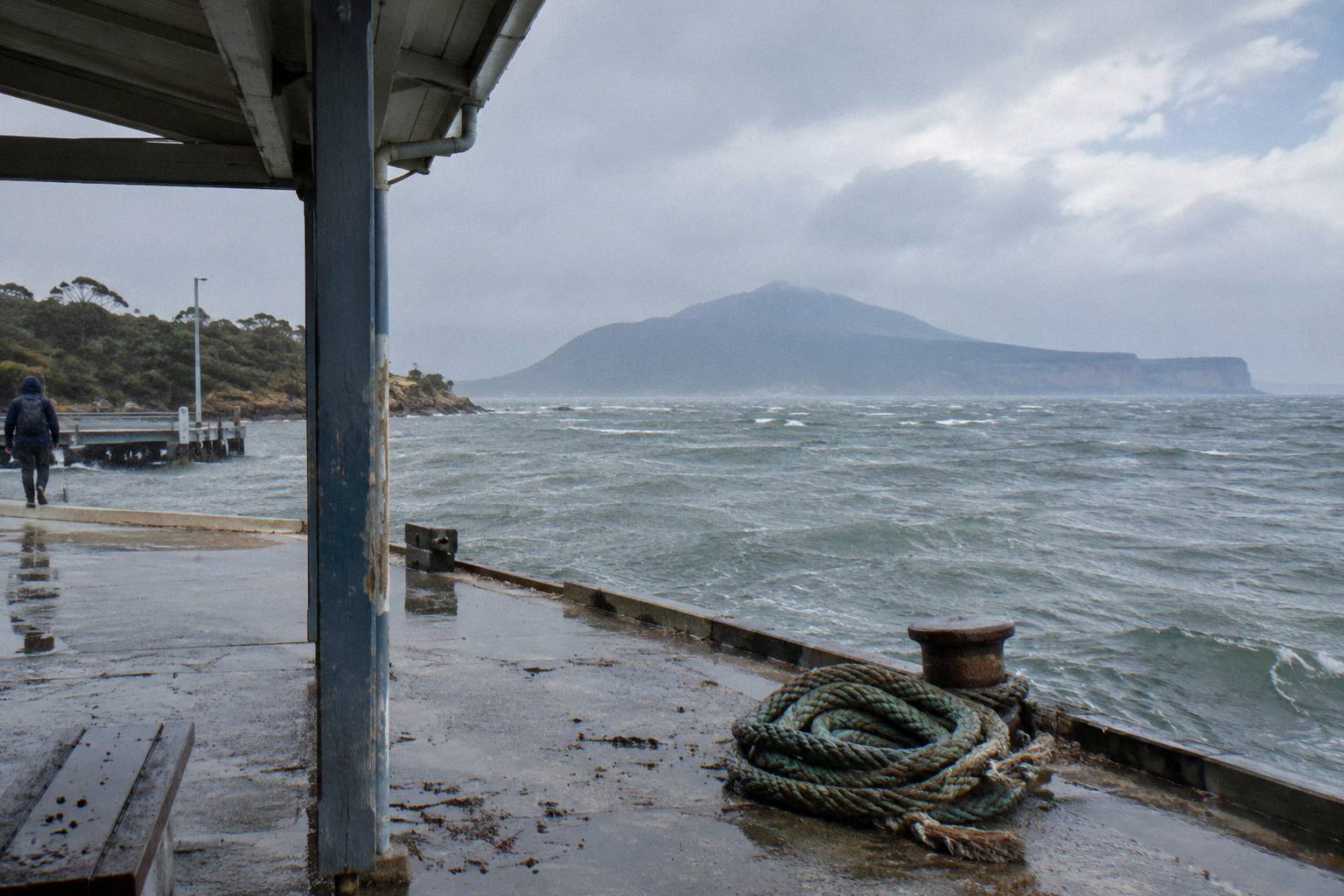
Conditions vary and the skipper may delay or cancel in bad weather. The crossing takes about 30 to 45 minutes. Cruise-based tours use the operator's own enclosed boat rather than the public ferry, which some travellers prefer in cooler months.
Are There Places To Eat On Maria Island?
No. There are no shops or cafes on the island; bring all food and water for the day. Tap water is not potable until boiled for one minute or purified, and there are no rubbish bins, so carry everything out.
Will I See Wombats And Tasmanian Devils?
Wombats, forester kangaroos, Bennett's wallabies and pademelons are common on the island's open ground, though never guaranteed. The devils are a small insurance population introduced in 2012, so a sighting is possible but unlikely on a day visit.